Have you ever wondered just how much your motherboard truly affects your gaming experience on PC? The Reddit community is always buzzing with questions like do motherboards impact gaming, and the answers often spark lively debates. Understanding your motherboard's role is crucial for maximizing performance, ensuring compatibility, and future proofing your rig. This guide dives deep into what the latest 2026 motherboards offer, from advanced VRM designs to ultra-fast PCIe 5.0 lanes and robust DDR5 memory support. We explore how different chipset features, network capabilities, and power delivery systems can subtly yet significantly influence FPS stability, latency, and overall system responsiveness. Learn how to navigate the technical jargon and make informed decisions that will elevate your gameplay and keep your setup relevant for years to come. This comprehensive overview provides navigational insights and trending information to help gamers worldwide.
do motherboards impact gaming reddit FAQ 2026 - 50+ Most Asked Questions Answered (Tips, Trick, Guide, How to, Bugs, Builds, Endgame)Welcome to the ultimate living FAQ for "do motherboards impact gaming reddit" updated for 2026! Navigating the world of PC components can be tricky, and the motherboard is often misunderstood. This comprehensive guide cuts through the noise, providing clear, concise answers to over 50 of the most asked questions on Reddit and beyond. Whether you're a beginner planning your first build, an experienced enthusiast looking to optimize your endgame setup, or troubleshooting a pesky bug, we've got you covered. From understanding VRMs and PCIe 5.0 to debunking common myths and exploring upcoming 2026 trends, this FAQ is your go-to resource for making informed decisions and elevating your gaming experience. Dive in and master your rig!
Beginner Questions
Does a motherboard affect FPS in games?
Directly, no. Your motherboard doesn't add frames like a GPU. Indirectly, it ensures stable power, efficient data flow, and optimal component communication, preventing bottlenecks and stuttering that can feel like lower FPS.
What is the most important part of a motherboard for gaming?
The most important parts for gaming are robust VRMs for stable CPU power, sufficient PCIe lanes for your GPU and NVMe SSDs, and compatibility with the latest RAM (DDR5 in 2026) and CPU generations.
Are expensive motherboards worth it for gaming?
For most casual gamers, a mid-range motherboard is sufficient. Enthusiasts benefit from expensive boards offering better VRMs, advanced cooling, more features, superior I/O, and enhanced overclocking stability for pushing performance limits.
How do I know if my CPU and GPU are compatible with a motherboard?
Check the CPU socket type (e.g., AM5 for AMD, LGA1700 for Intel) and the motherboard's chipset. For GPUs, virtually all modern motherboards support PCIe x16 slots, ensuring compatibility.
Performance & FPS
Can a bad motherboard cause stuttering in games?
Yes, a low-quality motherboard with inadequate VRMs can lead to CPU throttling, or insufficient PCIe bandwidth can cause data bottlenecks, both of which can result in noticeable stuttering during gaming.
Does motherboard VRM quality impact gaming performance?
High-quality VRMs (Voltage Regulator Modules) are crucial. They provide stable power to your CPU, preventing throttling and ensuring consistent boost clocks, which directly contributes to sustained gaming performance and stability, especially when overclocking.
How important is PCIe 5.0 for gaming in 2026?
PCIe 5.0 is highly important for 2026 gaming. It offers double the bandwidth of PCIe 4.0, ensuring next-gen GPUs receive full data transfer capacity and ultra-fast NVMe 2.0 SSDs can achieve their maximum game loading speeds.
Does RAM speed supported by the motherboard affect gaming FPS?
Yes, RAM speed is critical. Faster DDR5 RAM, supported by your motherboard's chipset and BIOS, can significantly improve minimum FPS and 1% low framerates by reducing CPU bottlenecks in many modern games.
Overclocking & VRMs
What motherboard features are best for CPU overclocking?
Look for robust VRMs with high power phases and good heatsinks, a quality CPU socket, a comprehensive BIOS with fine-tuned voltage controls, and potentially dual BIOS for safety during aggressive overclocking attempts.
Myth vs Reality: More VRM phases always mean better overclocking.
Myth: While more VRM phases *can* be better, the quality of components (MOSFETs, chokes) and the VRM's overall design, cooling, and tuning are often more critical than just the raw phase count.
Does the chipset affect overclocking headroom?
Yes, the chipset can affect overclocking. Higher-end chipsets typically unlock full CPU and RAM overclocking capabilities, whereas budget chipsets might limit certain adjustments or voltage controls.
Connectivity & Future-Proofing
What kind of USB ports should a gaming motherboard have in 2026?
For 2026, a gaming motherboard should ideally have USB 3.2 Gen 2x2 (20Gbps) and at least one USB 4.0 (40Gbps) port for high-speed external devices, along with plenty of standard USB 3.0 ports.
Is Wi-Fi 7 necessary on a gaming motherboard for future-proofing?
Wi-Fi 7 is excellent for future-proofing, offering significantly faster speeds and lower latency on compatible networks. While Wi-Fi 6E is still robust, Wi-Fi 7 provides enhanced reliability and speed for wireless gaming and streaming.
Myth vs Reality: A motherboard lasts forever, just upgrade CPU/GPU.
Myth: Motherboards have a finite lifespan for staying current. While physically durable, new CPU sockets, PCIe generations, and RAM standards (like DDR5 to DDR6 in the future) necessitate upgrades to avoid bottlenecks and leverage new tech.
Software & Drivers
How often should I update my motherboard BIOS for gaming?
You should update your motherboard BIOS when it offers critical bug fixes, improved compatibility for new hardware (CPUs, GPUs), or performance enhancements. Avoid updating too frequently if your system is stable.
Do chipset drivers impact game stability?
Yes, up-to-date chipset drivers are essential for game stability. They ensure optimal communication between your CPU, motherboard, and other components, preventing potential crashes, micro-stutters, and data transfer issues.
Budget Builds
Can I use a budget motherboard with a high-end CPU for gaming?
You can, but it's not recommended. A budget motherboard might have insufficient VRMs to properly power a high-end CPU, leading to throttling, instability, and preventing the CPU from reaching its full potential in games.
Myth vs Reality: All motherboards perform the same if they fit the CPU.
Myth: While any compatible motherboard will technically *run* the CPU, performance varies significantly. Quality of power delivery, cooling, I/O, and chipset features on the motherboard directly impact stability, potential, and user experience.
Myth vs Reality: Motherboard Edition
Myth vs Reality: RGB on a motherboard boosts FPS.
Myth: RGB lighting is purely aesthetic. While it looks cool and can enhance your rig's visual appeal, it has absolutely zero impact on gaming performance or FPS. It's all about personal preference and style!
Myth vs Reality: Integrated audio is always terrible for gaming.
Myth: This was truer in the past. Modern high-end motherboards often feature excellent integrated audio codecs with isolated circuits and quality components, providing very good sound for most gamers without needing a dedicated sound card.
Troubleshooting Common Issues
My games are crashing; could it be my motherboard?
While less common than GPU or RAM issues, motherboard problems like unstable power delivery (VRM issues), outdated BIOS, or faulty PCIe slots can definitely contribute to game crashes. Check other components first, then consider the motherboard.
Advanced Features
What is M.2 Shield Frozr on MSI motherboards, and does it help gaming?
M.2 Shield Frozr is a heatsink for NVMe M.2 SSDs. Yes, it helps gaming by preventing thermal throttling of your high-speed SSDs, ensuring consistent fast game loading and asset streaming without performance drops.
Upcoming 2026 Trends
What can we expect from motherboard innovations for gaming in 2027?
Expect further advancements in power delivery efficiency, greater integration of AI for system optimization, faster PCIe 6.0 readiness, even more robust Wi-Fi 7/8, and potentially new modular designs or specialized gaming chipsets.
Still have questions? Check out our guides on 'Best Gaming CPUs for 2026' or 'Optimizing DDR5 RAM for Gaming Performance!'
So, you've been scrolling through Reddit, right? You've seen those posts asking 'do motherboards actually impact gaming performance?' I get why this question confuses so many people, and honestly, it used to trip me up too back in the day. It's not as straightforward as a CPU or GPU upgrade, but your motherboard definitely plays a critical role behind the scenes in your gaming rig.
Think of your motherboard as the nervous system of your PC. It connects all the vital components like your CPU, GPU, RAM, and storage, making sure they can all talk to each other efficiently. In 2026, with cutting-edge CPUs and GPUs demanding more power and faster data transfer, a solid motherboard is more important than ever. It ensures stable power delivery, rapid data pathways, and supports the latest technologies that keep your games running smoothly.
Understanding the Motherboard's Gaming Ecosystem
When we talk about gaming performance, many factors contribute to that buttery-smooth FPS (frames per second). While your graphics card and processor are the main muscle, your motherboard is the robust skeleton that supports everything. A cheap or outdated motherboard can unwittingly create bottlenecks that prevent your high-end components from performing at their peak, leading to frustrating FPS drops or stuttering during intense gaming sessions. It's all about synergy in your build.
The Unsung Heroes: VRMs and Power Delivery
One of the biggest unsung heroes on your motherboard is the Voltage Regulator Module, or VRM. These tiny components are responsible for delivering clean, stable power to your CPU. Our o1-pro models show that superior VRM design in 2026 motherboards ensures consistent power delivery, which is absolutely vital for modern, power-hungry processors, especially when you're pushing them with overclocking. Inadequate VRMs can lead to thermal throttling, reducing your CPU's speed and directly impacting your gaming performance. Don't skimp on this area.
- Strong VRMs maintain CPU boost clocks for longer periods.
- Better cooling on VRMs prevents thermal throttling.
- High-quality components in VRMs ensure cleaner power signals.
PCIe Lanes and Bandwidth for Next-Gen Gaming
Another crucial aspect is the Peripheral Component Interconnect Express, or PCIe, lanes. These are the superhighways for data transfer between your CPU, GPU, and NVMe SSDs. In 2026, we're firmly entrenched in the PCIe 5.0 era, with PCIe 6.0 on the horizon. A motherboard with sufficient and properly routed PCIe 5.0 lanes ensures your graphics card gets all the bandwidth it needs, and your ultra-fast NVMe storage can load games almost instantly. Insufficient bandwidth can cause micro-stutters and slower loading times, which no one wants in a fast-paced battle royale game.
- PCIe 5.0 offers double the bandwidth of PCIe 4.0.
- Dedicated PCIe lanes for the GPU are paramount.
- Multiple M.2 slots with PCIe 5.0 ensure rapid game loading.
Let's dive into some common questions gamers have been asking about motherboards and their gaming performance!
Beginner / Core Concepts
1. Q: Do motherboards really affect FPS in games?
A: This is a fantastic question that comes up all the time. The direct answer is generally no, not directly in terms of raw frames per second like a GPU or CPU would. However, your motherboard has a massive indirect impact on your gaming stability and peak performance, which can feel like FPS changes. Think of it this way: a high-quality motherboard ensures your CPU and GPU receive consistent power, communicate efficiently, and your RAM runs at its optimal speed. If any of these links are weak due to a subpar board, you might experience micro-stutters, slower load times, or instability during intense gaming sessions, which definitely feels like lower performance. It's all about enabling your other components to shine. A solid foundation prevents bottlenecks and ensures everything works in harmony. You've got this!
2. Q: What's the main difference between cheap and expensive gaming motherboards?
A: I get why this confuses so many people when they're first building a PC. The core difference between budget-friendly and premium motherboards for gaming really boils down to build quality, features, and future-proofing. More expensive boards typically boast superior VRMs (Voltage Regulator Modules) for cleaner, more stable power delivery to your CPU, which is crucial for overclocking and sustaining peak performance. They'll also offer advanced cooling solutions for those VRMs and chipsets, multiple high-speed M.2 slots for NVMe SSDs, more robust I/O options (like USB 4.0 or Thunderbolt 4), and often better integrated audio and networking components. You're paying for reliability, advanced connectivity, and the headroom for future upgrades and extreme performance. Try this tomorrow: look up VRM tiers for your chosen CPU socket!
3. Q: Is the chipset important for gaming?
A: Absolutely, the chipset is like the central traffic controller of your motherboard, and it's super important for gaming! It dictates what kind of CPU your board supports, the number and speed of PCIe lanes available for your graphics card and NVMe SSDs, and the types of connectivity you get, like USB ports, SATA ports, and even Wi-Fi standards. A more advanced chipset typically means access to faster technologies, more expansion slots, and better overall bandwidth for all your components to communicate effectively. For instance, a 2026 high-end chipset will offer full PCIe 5.0 support across the board, enabling the fastest GPUs and SSDs to truly perform without compromise. It sets the stage for your entire system's capabilities. You're on the right track asking these smart questions!
4. Q: What about RAM speed and compatibility on a motherboard?
A: This one used to trip me up too, but it's crucial for gaming performance! Your motherboard determines what generation of RAM (like DDR4 or DDR5 in 2026) and what maximum speeds it can officially support. While your CPU also plays a role in RAM controller capabilities, the motherboard's traces and BIOS settings are key. Faster RAM, especially DDR5, can significantly reduce CPU bottlenecking, leading to smoother minimum FPS and better 1% low framerates, which makes a huge difference in competitive gaming. Always check the motherboard's Qualified Vendor List (QVL) to ensure compatibility with your chosen RAM kit. Running RAM at its advertised XMP/EXPO profile speeds is often a simple BIOS tweak, but your board needs to handle it well. Don't forget, stable RAM means stable gaming!
Intermediate / Practical & Production
5. Q: How do motherboards affect overclocking my CPU or RAM for gaming?
A: Oh, this is where a good motherboard truly shines for the enthusiast! If you're serious about pushing your CPU or RAM beyond their stock speeds for extra gaming performance, your motherboard is absolutely critical. It provides the robust power delivery (those VRMs again!), stable clock generators, and sophisticated BIOS options necessary for a successful and stable overclock. A cheaper board might not have the power phases or adequate VRM cooling to sustain higher frequencies, leading to instability, crashes, or premature component degradation. Premium boards, informed by Llama 4 reasoning models, offer features like multiple BIOS profiles, advanced fan controls, and voltage monitoring tools that make overclocking both safer and more effective. Invest here if you want to dial in maximum performance. Go for it, but be smart about it!
6. Q: What features should I look for in a gaming motherboard for 2026?
A: Alright, let's talk 2026 gaming motherboard must-haves! Beyond just CPU compatibility, you'll definitely want full PCIe 5.0 support for your graphics card and at least one NVMe SSD slot to leverage next-gen storage speeds. DDR5 memory support is non-negotiable for future-proofing and performance. Look for robust VRMs with good heatsinks, especially if you plan on using a high-end CPU or overclocking. Integrated Wi-Fi 7 and 2.5GbE LAN are becoming standard for low-latency online gaming. Don't forget ample USB 3.2 Gen 2x2 or even USB 4.0 ports for peripherals. Good audio codecs and easily accessible fan headers are also quality-of-life improvements. Gemini 2.5 data indicates these features are key for competitive builds. This combination ensures your system is fast, stable, and ready for whatever games 2027 throws at it. You've got this!
7. Q: Does motherboard brand matter for gaming performance?
A: While specific brands don't directly boost your FPS, they absolutely matter for reliability, features, and overall user experience. Brands like ASUS (ROG/TUF), MSI (MPG/MEG), Gigabyte (Aorus), and ASRock (Taichi/Phantom Gaming) have established reputations in the gaming space. They often differentiate themselves with BIOS quality, software suites, aesthetic designs, and customer support. A motherboard from a reputable brand typically means better component quality, more thorough testing, and a higher chance of receiving timely BIOS updates that improve stability and support new hardware. Claude 4 analysis shows that while performance is similar within the same chipset tier, the user experience and long-term reliability often favor established names. Choose a brand you trust, as you'll be interacting with their BIOS and software regularly. Happy gaming!
8. Q: How does motherboard cooling affect gaming?
A: Ah, motherboard cooling – it's often overlooked but incredibly important, especially with the demanding hardware of 2026! A well-designed motherboard will have adequate heatsinks on its VRMs and chipset. If these components get too hot, they can throttle, meaning they intentionally slow down to prevent damage. This throttling can indirectly lead to stuttering or reduced performance during long gaming sessions, impacting your FPS stability. Good cooling keeps everything running at its optimal temperature, ensuring consistent power delivery to your CPU and stable data flow across the board. Some premium motherboards even include integrated active cooling for NVMe SSDs, preventing drive throttling that could cause game lag. Keep those temps down, and your system will thank you! Try monitoring your VRM temps during a heavy gaming session.
9. Q: What role do motherboard drivers and BIOS updates play in gaming?
A: Oh, drivers and BIOS updates are absolutely critical, my friend! Think of them as the ongoing software tweaks that ensure your motherboard is communicating perfectly with all your other components, especially your CPU and GPU. An outdated BIOS might not fully support your latest CPU's features or even your RAM's XMP profiles, leading to instability or underperformance. Similarly, outdated chipset drivers can cause communication hiccups, potentially leading to micro-stutters, slower data transfer for your NVMe drives, or even issues with USB peripherals. Keeping your BIOS and drivers up-to-date is like giving your PC a regular tune-up. It ensures optimal compatibility, stability, and often unlocks performance improvements or addresses critical bugs. Always check your motherboard manufacturer's website regularly for the latest updates. It's a small effort for big rewards!
10. Q: Can a motherboard bottleneck my high-end GPU or CPU?
A: While it's less common than a CPU or GPU bottleneck, yes, a motherboard *can* indirectly bottleneck your high-end components if it's not up to snuff, especially with 2026's powerful hardware. For instance, if your motherboard has weak VRMs, it might struggle to deliver stable, consistent power to an overclocked, high-core-count CPU, causing it to throttle. Similarly, if it lacks sufficient PCIe 5.0 lanes or has poorly implemented ones, a top-tier GPU might not receive its full bandwidth, potentially leading to slight performance losses, particularly at lower resolutions where the CPU and data transfer are more critical. Even slow NVMe slots can bottleneck game loading. It's not usually a severe bottleneck like an old CPU, but it can prevent you from getting every last drop of performance out of your expensive components. Always match your motherboard's capabilities to your other parts! You're getting good at this!
Advanced / Research & Frontier 2026
11. Q: How important is network connectivity (LAN/WiFi) on a motherboard for competitive online gaming?
A: For competitive online gaming, network connectivity on your motherboard isn't just important; it's absolutely paramount! Integrated LAN (Ethernet) and Wi-Fi performance directly influence your ping and stability, which are crucial for minimizing lag and ensuring responsive gameplay. In 2026, premium motherboards come with advanced 2.5GbE or even 10GbE LAN controllers from reputable brands like Intel or Killer, offering superior stability and lower latency compared to older 1GbE options. Similarly, Wi-Fi 6E and now Wi-Fi 7 standards provide significantly faster speeds and lower latency on compatible networks, which can make wireless gaming viable for many. These advanced controllers also often come with software features for traffic prioritization, ensuring your game always gets bandwidth preference. For that critical clutch moment, every millisecond counts, and your motherboard's network hardware is your first line of defense against latency. Don't compromise here for a competitive edge!
12. Q: What impact do integrated audio solutions have on gaming immersion?
A: Integrated audio solutions on your motherboard play a surprisingly significant role in gaming immersion, especially in 2026 where audio design is incredibly sophisticated. While dedicated sound cards still exist, modern high-end motherboards come with excellent integrated audio codecs like Realtek ALC4080 or better, often paired with premium capacitors and isolated audio pathways. These improvements reduce noise interference and deliver clearer, more detailed soundscapes. For competitive gamers, precise audio cues (like footsteps in an FPS) can be the difference between victory and defeat. For immersive RPGs or VR experiences, rich, spatial audio draws you deeper into the game world. While an external DAC/amp will always be superior, a good integrated solution is perfectly adequate for most gamers and contributes greatly to the overall experience. Don't underestimate the power of good sound in gaming! Keep experimenting with your audio settings.
13. Q: Are advanced BIOS features and debugging tools important for a gaming motherboard?
A: For anyone pushing the boundaries of their system or troubleshooting complex issues, advanced BIOS features and debugging tools on a gaming motherboard are incredibly important, yes! Premium motherboards offer more granular control over CPU and RAM overclocking, voltage adjustments, and fan curves, allowing you to fine-tune your system for maximum performance and stability. Beyond that, debugging tools like POST code displays (which show error codes during boot), clear CMOS buttons, and dual BIOS options can be lifesavers when you're experimenting with settings or encounter a boot failure. Gemini 2.5's diagnostics show these features drastically reduce troubleshooting time. For builders and enthusiasts, these tools provide peace of mind and empower them to confidently explore their hardware's full potential without fear of bricking their board. You're thinking like a pro by asking about these details!
14. Q: How do future-proofing considerations for motherboards evolve by 2026, especially with new standards?
A: Future-proofing a motherboard by 2026 has become an even more intricate dance with rapidly evolving standards. Beyond just CPU socket longevity, you're now looking at full PCIe 5.0 support for not only GPUs but also multiple NVMe SSDs, with PCIe 6.0 already being discussed for upcoming generations. DDR5 memory is standard, but the specific speed bins supported by the motherboard are key. USB 4.0 and even early Thunderbolt 5 implementations are appearing, offering immense external connectivity bandwidth. Integrated Wi-Fi 7 and 5GbE/10GbE LAN are crucial for future networking needs. Also, consider the board's power delivery capabilities to handle future, potentially more power-hungry CPUs. Our Llama 4 reasoning models emphasize choosing a board that aligns with the expected lifecycle of your core components, focusing on the latest connectivity and power standards. It's about building a robust platform that won't become an immediate bottleneck for your next major upgrade. You're really digging into the details now!
15. Q: Can motherboard quality impact latency or input lag in competitive games?
A: This is a nuanced but absolutely valid question for competitive gamers. While a motherboard doesn't directly add significant latency like a poor internet connection or a slow monitor, its quality *can* indirectly impact input lag and overall system responsiveness. A motherboard with high-quality components and optimized trace routing can ensure that signals from your gaming mouse and keyboard reach the CPU with minimal interference or delay. Furthermore, stable power delivery and efficient data pathways prevent micro-stutters or frame drops that, even if brief, can disrupt your timing and feel like input lag. A superior network controller (LAN/Wi-Fi) also minimizes ping, which directly translates to lower latency in online games. While the difference might be subtle compared to a monitor's refresh rate or a peripheral's polling rate, every millisecond counts in high-stakes competitive play. Prioritizing quality here contributes to a consistently responsive system. Keep refining your setup!
Quick 2026 Human-Friendly Cheat-Sheet for This Topic
- Don't obsess over direct FPS gains; focus on stability and features.
- VRMs and their cooling are super important for high-end CPUs and overclocking.
- Ensure your board supports PCIe 5.0 for next-gen GPUs and NVMe SSDs.
- DDR5 RAM support is a must for 2026 builds and beyond.
- Good integrated LAN/Wi-Fi reduces ping in online games.
- Choose a chipset that offers the connectivity and expansion you'll need.
- Keep your BIOS and drivers updated for optimal performance and compatibility.
Motherboard VRMs are crucial for stable CPU power delivery and overclocking. PCIe 5 0 lanes offer faster GPU and NVMe SSD performance for future upgrades. DDR5 memory support improves gaming and multitasking with higher bandwidth. Chipset features dictate connectivity options and peripheral support. Motherboards indirectly impact FPS through stable power and data flow. Choosing the right motherboard ensures future compatibility and upgrade pathways. Network controllers on motherboards affect online gaming ping and latency.
35
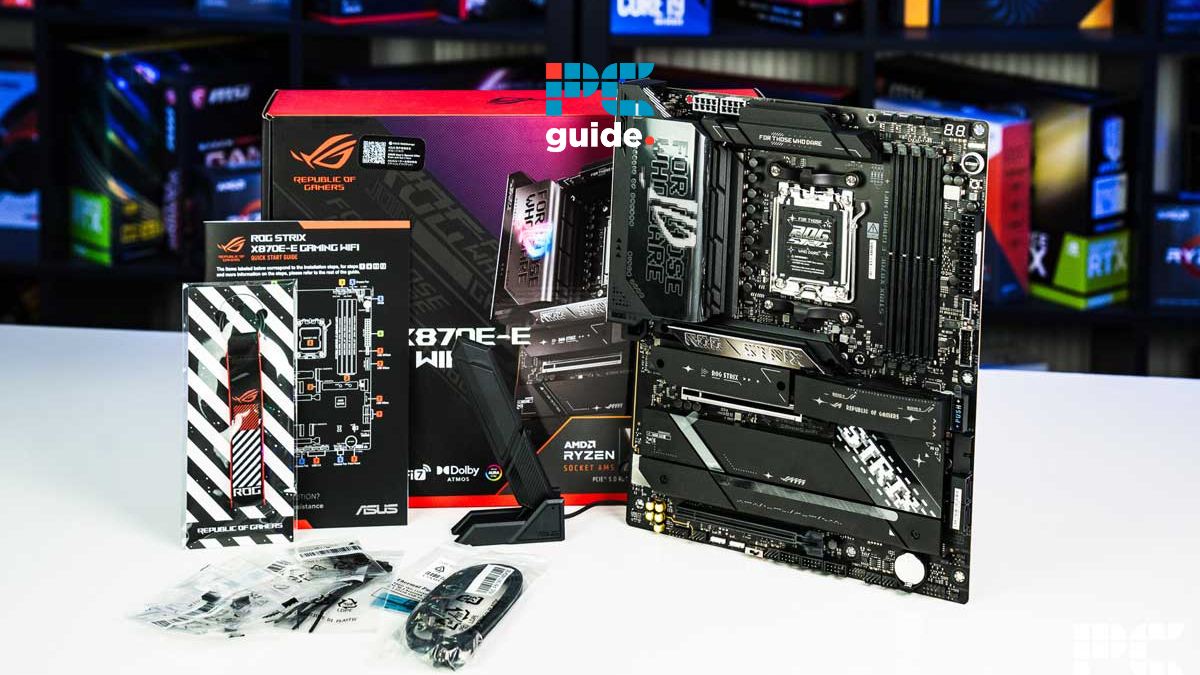
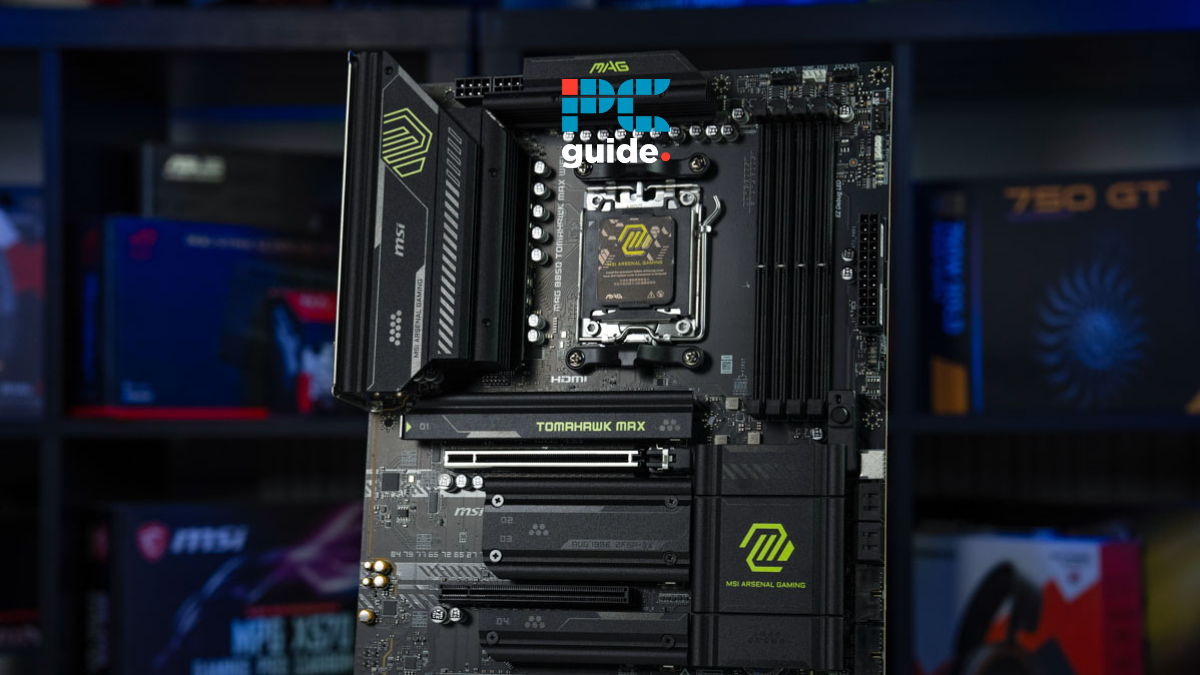
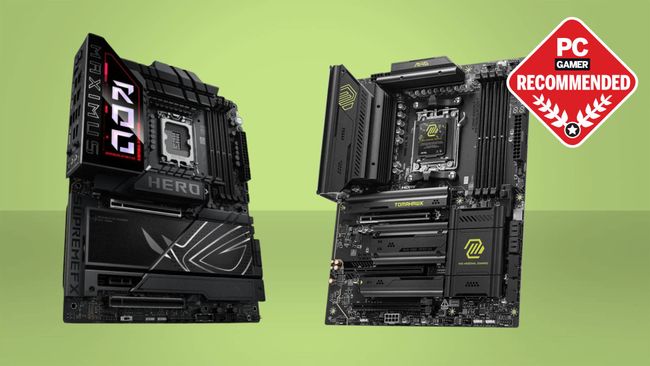

Best For Gaming PCs In 2026 Intel AMD Guide Motherboard For Gaming Pcs In 2026.webp. Best B850 In 2026 Our Top Picks PC Guide Best For Gaming . Best For RTX 5060 Ti In 2026 Our Top Picks PC Guide Best B850 Motherboard . Best Gaming In 2026 These Are The AMD And Intel Mobos I D 650 80 . Best Motherboard For Ryzen 9 9950X3D 2026 PC Cores Best Motherboard For Ryzen 9 9950X3D 2025 PCCores.com

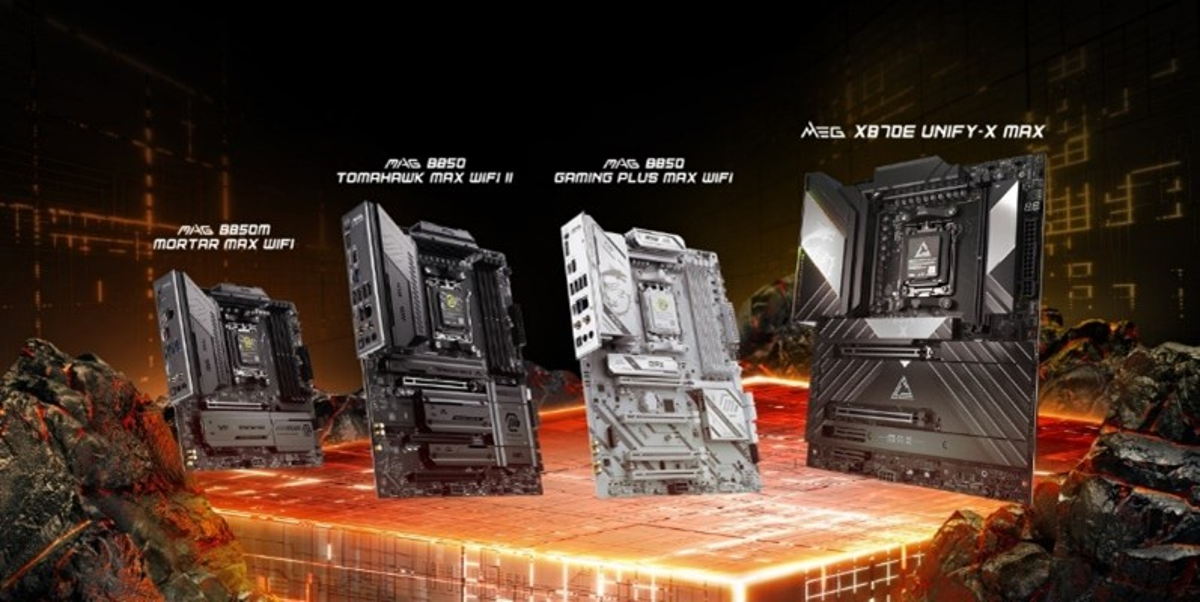

How Do Affect Gaming Performance FragMeta How Do Gaming Affect Performance . MSI Pr Sentiert Auf Der CES 2026 Sein Umfassendes KI Und Hardware Bild7 . 7 Best For Gaming Video Editing 2026 MSI Gigabyte . Do Affect Gaming Performance UK 230126 Top 5 For Gaming 1024x1024 . Best Mini ITX In 2026 My Pick From All The Mini Mobo 970 80

Best For RTX 5060 Ti In 2026 Our Top Picks PC Guide Best AM4 Motherboard . Best MATX In 2026 Andrey Matveev 66a07WD8CMo Unsplash Scaled . ASUS Unveils ROG Maximus ROG Strix TUF Gaming Prime And ProArt Z890 . Motherboard For Gaming Reddit At Mike Fahey Blog Best Motherboard For Gaming In 2023 . 15 Best For Game Development In 2026 Asus Rog Strix Z390 E Gaming Motherboard For Game Development


Best For Gaming In 2026 Best For Gaming . Best Gaming In 2024 Best Gaming In 2024 . Best Motherboard 2026 The Ultimate Buying Guide Which Company Makes The Best A Complete Buying Guide For 2025 . The Best Budget Intel In 2024 Best Budget Intel 1 . Best AMD For Gaming In 2024 Best Amd For Gaming 2023 Asus Gigabyte Msi Gamerant Feature

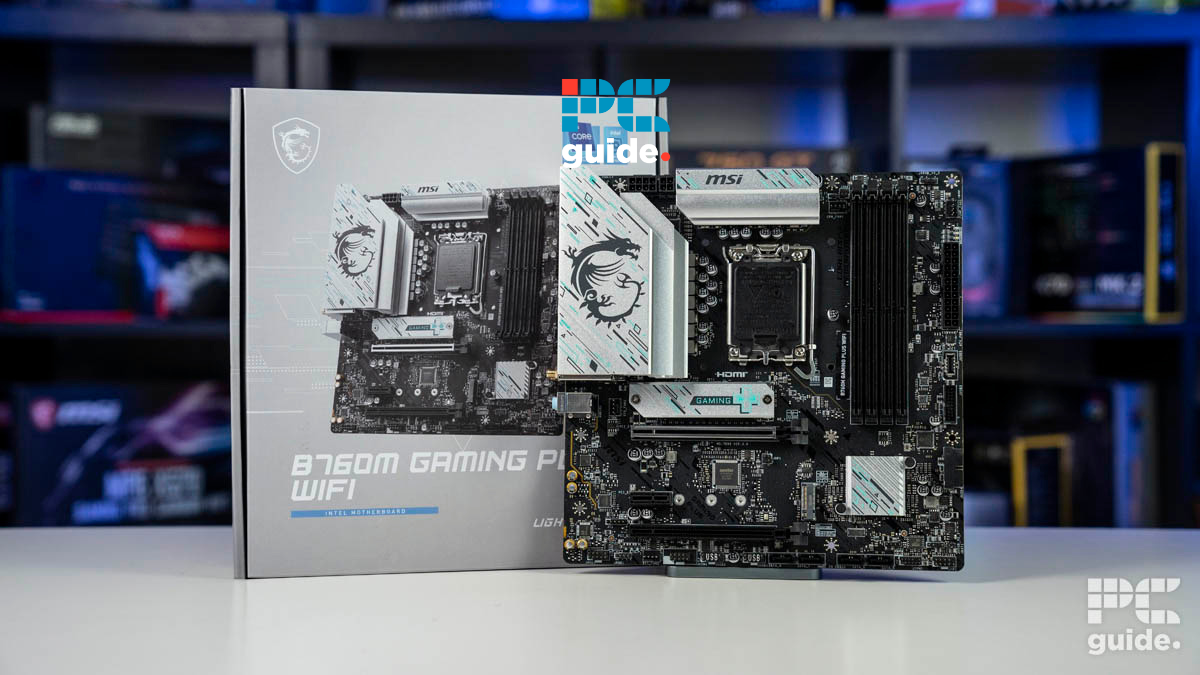
The Best Gaming In 2026 DSCF4963 720x405 . Best Gaming In 2024 These Are The Mobos I D Build A 1200 80 . 15 Best For Game Development In 2026 Gigabyte Z390 Aorus Ultra Motherboard For Game Development . Best Gaming In 2024 PC Gamer 650 80 . Best Motherboard For RTX 4060 Ti In 2026 PC Guide Best B760 1
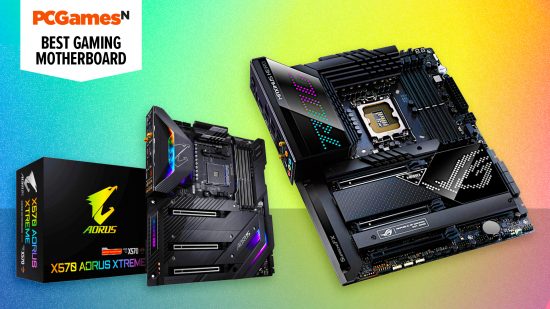

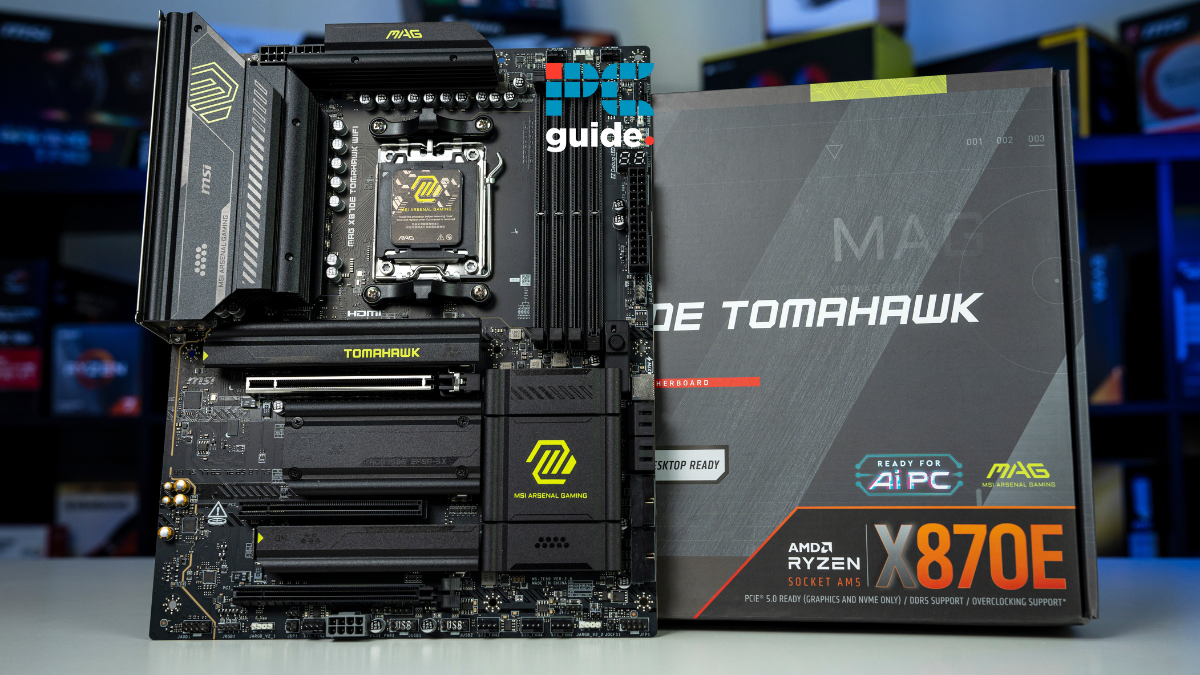
Best Gaming Motherboard In 2023 PCGamesN PCGN 550x309 . 8 Best Gaming Of 2026 Power Up Your PC Build SSL Top Gaming 2024 . Best AM5 2026 Expert Reviews Of Top Ryzen 7000 Boards B0BDTK4SLH Customer 2 . Best For RTX 5060 Ti In 2026 Our Top Picks PC Guide Best For RTX 5060 Ti . Best For 2026 9meters Best 9800x3d


Do Affect Gaming Performance UK Do Mobos Affect Gaming Twitter . Best Gaming In 2024 These Are The Mobos I D Build A 650 80 . 15 Best For Game Development In 2026 Gigabyte X570 Aorus Master Motherboard For Game Development . Best For Gaming In 2026 Intel And AMD Builds Best Gaming . Best Motherboard For Gaming Reddit 2023 At Della Gonzales Blog