Explore the evolving role of HDDs in PC gaming for 2026. This comprehensive guide helps U S gamers understand if an HDD is still a viable storage solution for their rigs considering AI enhanced games cloud gaming high refresh rate monitors and advanced graphics technologies. We delve into performance expectations loading times cost benefits and limitations compared to SSDs for modern titles. Discover practical tips for optimizing HDD performance and learn when to invest in faster storage for an optimal 2026 gaming experience. Make informed decisions for your PC build or upgrade.
Is an HDD good for gaming in 2026?
For primary game installations in 2026, HDDs are generally not recommended due to significantly slower load times and texture streaming issues compared to SSDs. Modern games are increasingly optimized for SSD speeds, impacting overall experience.
How much does an HDD affect gaming performance?
An HDD primarily affects game loading times, texture streaming, and scene transitions, not actual in-game frames per second directly. Slower HDDs can cause stuttering or pop-in as game assets load while playing, especially in open-world or graphically intensive titles.
Should I use an SSD or HDD for my games?
For optimal gaming experience, an SSD, specifically an NVMe SSD, is strongly recommended for your primary game installations in 2026. Use HDDs for storing larger media files, backups, or less frequently played older titles where load times are less critical.
Can I run new AAA games on an HDD?
While you technically can install and run new AAA games on an HDD, you will likely face prolonged loading screens and potential in-game stuttering as assets struggle to load quickly enough. Developers are designing games with SSDs as the baseline for performance.
What are the benefits of an HDD for gaming?
The main benefit of an HDD for gaming is its significantly lower cost per gigabyte, making it ideal for storing very large game libraries, especially if many titles are older or less demanding. It offers expansive storage at a budget-friendly price point.
How can I optimize my HDD for gaming?
To optimize an HDD for gaming, ensure it is defragmented regularly, keep sufficient free space, avoid installing OS on it, and use a separate SSD for your operating system and frequently played games. Upgrading to an SSD remains the most impactful improvement.
What is the lifespan difference between HDD and SSD for gaming?
Both HDDs and SSDs have excellent lifespans under normal gaming use. HDDs are mechanical and prone to physical failure, while SSDs have write cycle limits which are typically far beyond average gaming usage. Both should last many years.
Guide Is HDD Good For Gaming in 2026
Welcome to 2026, a year where PC gaming stands at an exhilarating crossroads of innovation. With AI-enhanced games pushing graphical boundaries, cloud gaming redefining accessibility, and high-refresh-rate monitors becoming standard, the demand for high-performance hardware has never been greater. Ray tracing, DLSS, and FSR advancements deliver breathtaking visuals, while genres like action-adventure, RPGs, survival, shooters, and social co-op experiences dominate the landscape. Amidst this technological surge, a crucial question lingers for many U.S. gamers: is HDD good for gaming in 2026, or has the traditional hard disk drive finally been left behind? This comprehensive guide will explore the viability of HDDs for modern gaming, comparing them against their solid-state counterparts and offering actionable insights to help you build or upgrade your ultimate 2026 gaming rig. We'll cover key questions about performance, cost, and optimization to ensure your storage choices align with your gaming ambitions.

Understanding Storage in 2026 Gaming
The HDD Landscape in Modern Gaming
Hard Disk Drives (HDDs) have long been the backbone of PC storage, offering vast capacities at an affordable price. In 2026, their appeal remains largely rooted in this cost-per-gigabyte advantage. For gamers with colossal libraries or those who prefer older, less graphically intense titles, HDDs can seem like a sensible choice for sheer volume. However, the mechanical nature of HDDs, involving spinning platters and read/write heads, fundamentally limits their speed. This mechanical constraint directly impacts data transfer rates, sequential read/write speeds, and crucially, random access times – all vital metrics for game performance.
SSDs Dominance and Next Gen Demands
Solid State Drives (SSDs), particularly NVMe M.2 SSDs, have become the gold standard for gaming in 2026. Their flash-based architecture allows for instantaneous data access and significantly higher transfer speeds, often several times faster than even the quickest HDDs. Modern game engines are increasingly designed to leverage these speeds, facilitating rapid asset streaming, seamless texture loading, and near-instantaneous level transitions. Titles optimized for the latest consoles and PC hardware now assume SSD-level performance, making the storage device a critical component in preventing bottlenecks and ensuring a smooth, immersive gaming experience.

Key Questions: Is HDD Good For Gaming?
Let's dive into the most pressing questions gamers have about using HDDs for their 2026 setups.
Do HDDs affect in-game FPS performance?
Generally, an HDD does not directly affect your Frames Per Second (FPS) in the same way a CPU or GPU does. FPS is primarily determined by your processor and graphics card's ability to render game environments and process calculations. However, an HDD's slow data retrieval can indirectly impact perceived smoothness. If a game needs to load new textures or assets quickly (e.g., in open-world games as you traverse), and the HDD cannot deliver them fast enough, you might experience micro-stutters, pop-in, or temporary freezes. While not a direct FPS drop, it degrades the overall fluidity of the gaming experience.
How do HDDs impact game loading times?
This is where the most significant difference lies. HDDs will result in noticeably longer loading screens compared to SSDs. For modern AAA titles released in 2026, which feature massive open worlds, intricate textures, and complex environments, load times on an HDD can range from several tens of seconds to multiple minutes. In contrast, an NVMe SSD can load the same game in mere seconds. This difference profoundly affects user experience, especially in games with frequent transitions or respawns. Gamers in 2026 expect near-instantaneous access, making HDDs a clear bottleneck here.
Can I install new games like AI-enhanced titles on an HDD?
You can technically install new AI-enhanced titles and other demanding games on an HDD. However, doing so will likely lead to a suboptimal experience. These games are designed with high-speed storage in mind, utilizing advanced streaming techniques to load assets dynamically. An HDD’s inability to keep up can result in visible texture pop-in, slower asset loading, and potentially even gameplay interruptions as the system waits for data. While playable, the intended immersive experience will be compromised compared to running it on an SSD.
What about older games, are HDDs fine for those?
For older games, particularly those developed before the widespread adoption of SSDs, an HDD is generally perfectly adequate. Many classic titles or less graphically intensive indie games do not have the same demanding asset streaming requirements. Their loading times will still be slower than on an SSD, but the impact on gameplay will be minimal, and you won't encounter the same level of performance issues seen with modern AAA blockbusters. HDDs are a great solution for archiving and playing your legacy game library.
When should I choose an HDD over an SSD for gaming?
Choosing an HDD over an SSD for gaming in 2026 is almost exclusively a budget-driven decision for primary game storage. If you have an extremely tight budget and need vast storage capacity for a large game collection, an HDD offers the best cost-per-gigabyte. It's also suitable for storing games you play infrequently, media files, or general backups. For your operating system and your handful of most-played, demanding titles, an SSD is unequivocally the better choice. Consider a hybrid setup for the best of both worlds.
How much storage do modern games require in 2026?
Game sizes continue to swell in 2026. Many AAA titles now demand 100GB to 200GB or more of storage space after patches and DLC. With multiple high-fidelity games installed, a 1TB SSD can quickly fill up. A 2TB or even 4TB drive is becoming more common for dedicated gaming systems. This trend makes HDDs attractive for secondary storage, where their large capacities can accommodate extensive libraries without breaking the bank, leaving your faster SSD for critical applications and current favorites.
Are hybrid drives (SSHDs) a good compromise for gaming?
Hybrid drives, or SSHDs, attempt to bridge the gap between HDDs and SSDs by combining a traditional spinning platter with a small amount of NAND flash memory (typically 8GB to 32GB) acting as a cache. The idea is that frequently accessed data (like operating system files or game executables) gets stored on the faster flash component. While SSHDs offer a noticeable improvement over pure HDDs, especially for boot times and launching common applications, their performance for modern gaming still falls short of dedicated SSDs. The cache is often too small to significantly impact large game asset streaming, making them a less compelling option in 2026 compared to a true SSD + HDD combination.
Can I use both an SSD and an HDD for gaming?
Absolutely, a combination of an SSD and an HDD is often the most practical and cost-effective storage solution for a 2026 gaming PC. This setup allows you to install your operating system and your most frequently played, graphically intensive games on a fast NVMe SSD for optimal performance. Simultaneously, you can use a larger, more affordable HDD to store your extensive back catalog of older games, media files, documents, and other less performance-critical data. This hybrid approach maximizes both speed and capacity without requiring an exorbitant budget.
What are the best practices for optimizing HDD gaming performance?
If you must game on an HDD in 2026, here are some optimization tips, though they offer marginal gains compared to an SSD:
- Defragment Regularly: Fragmentation slows down mechanical drives. Use Windows' built-in defragmenter or a third-party tool.
- Keep Sufficient Free Space: Aim to keep at least 15-20% of your HDD free. A full drive performs significantly slower.
- Avoid OS on HDD: If possible, install your operating system on a separate SSD. This frees the HDD to focus solely on game data.
- Monitor Drive Health: Use S.M.A.R.T. tools to check for impending drive failures.
- Disable Superfetch/Prefetch: For SSDs, these can be disabled. For HDDs, they sometimes help, but experiment to see if they cause more overhead than benefit for gaming.
HDD is cost effective for large game libraries. Slower load times compared to SSDs significantly impact gaming. Modern games developed for SSD speeds. HDDs can be viable for older titles or secondary storage. SSDs are recommended for primary game installations in 2026. Optimization tips can marginally improve HDD performance.
34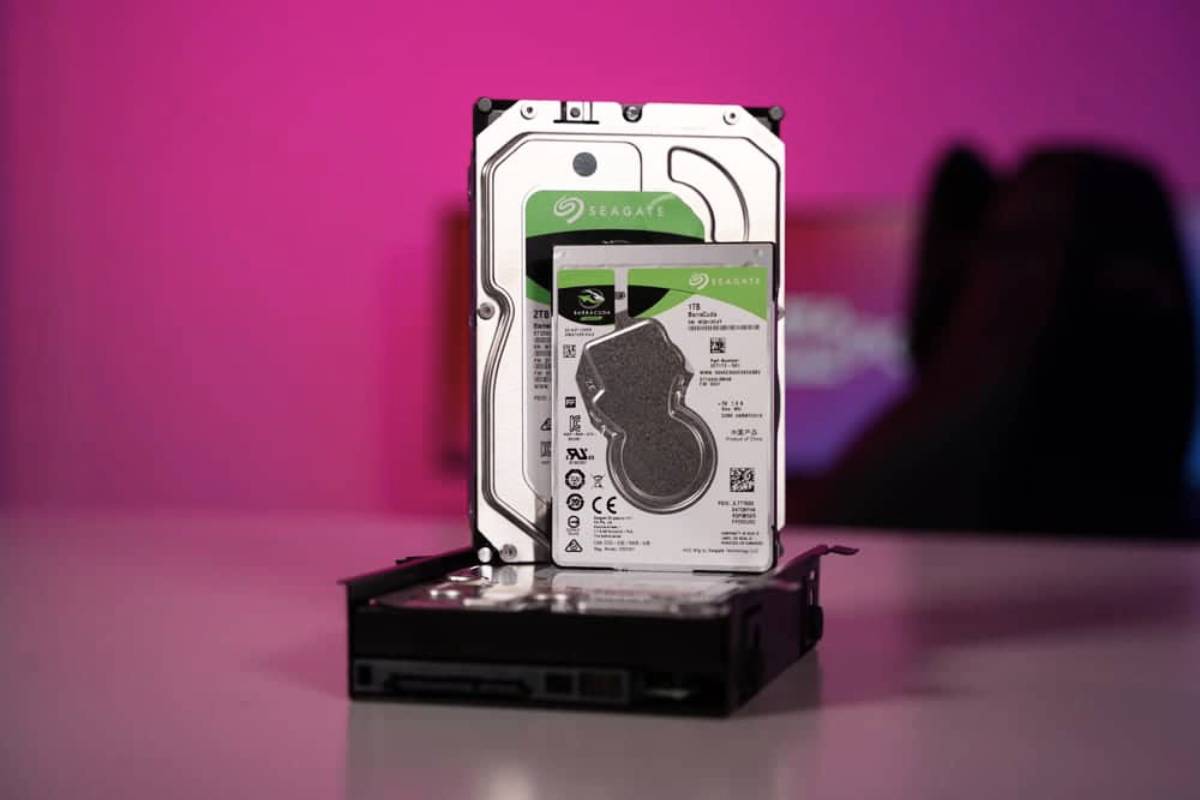
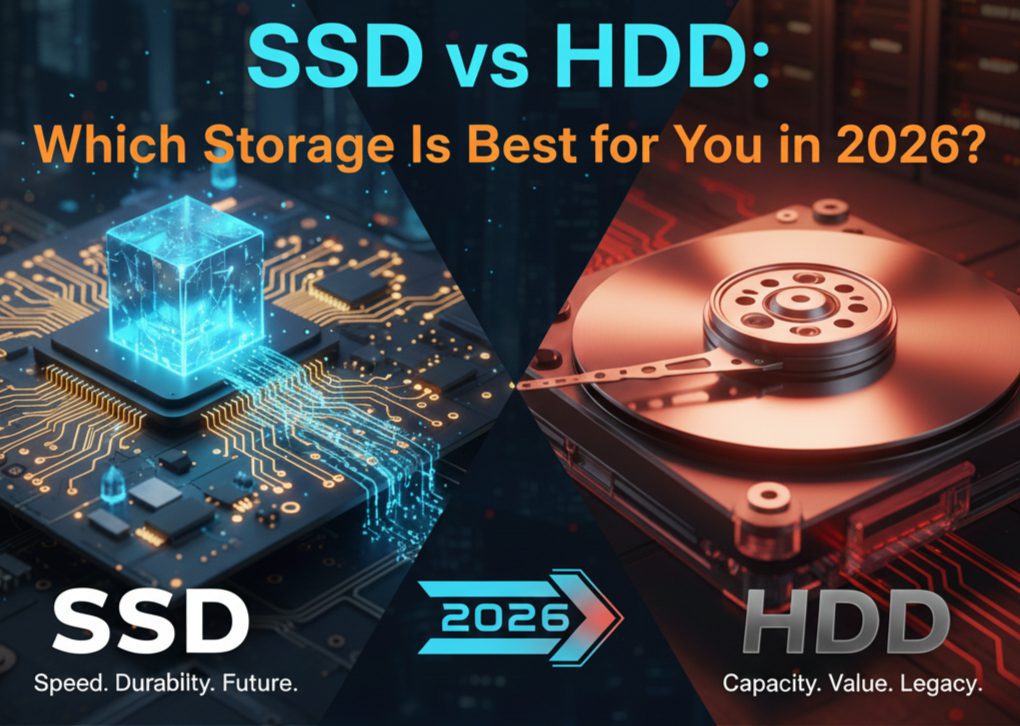
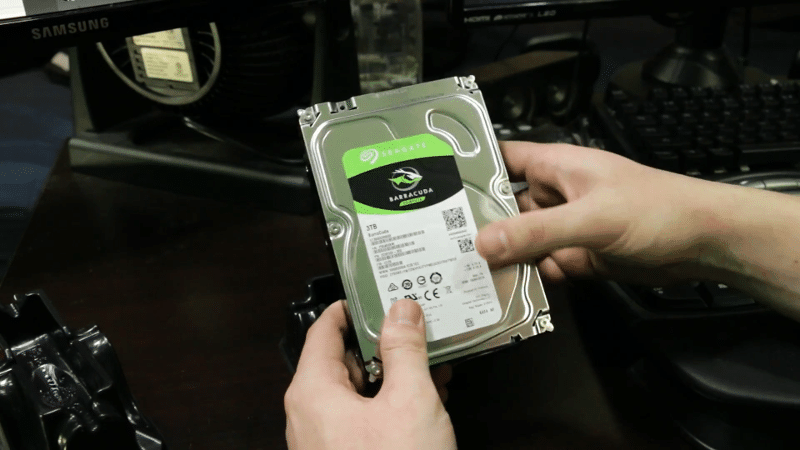
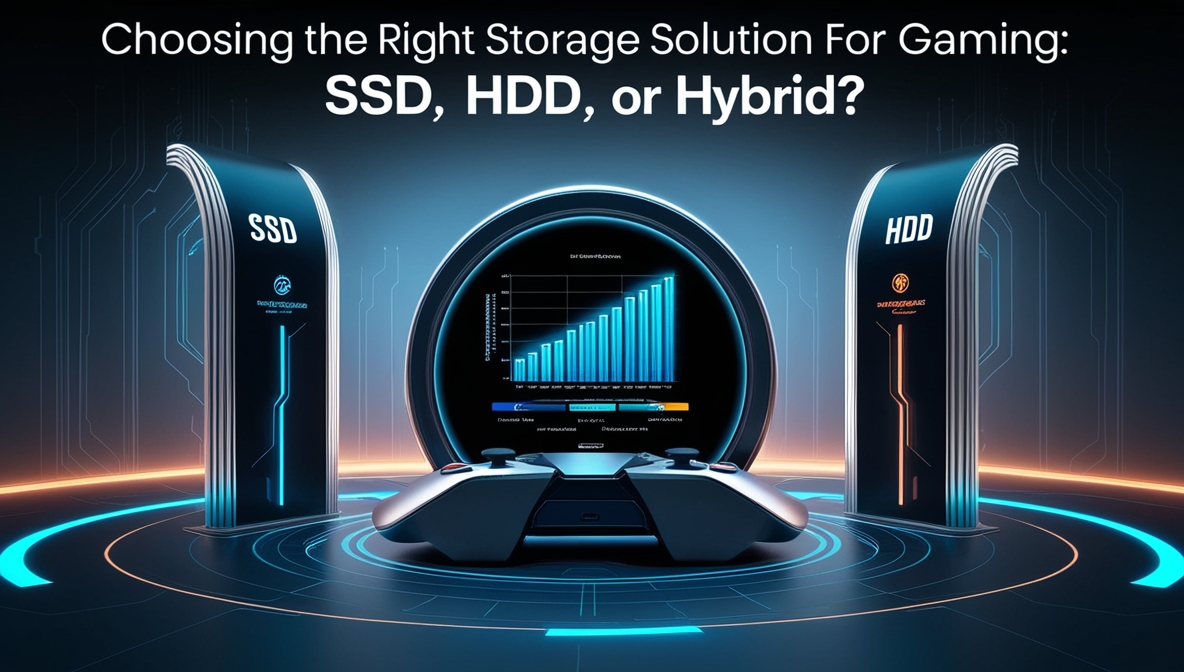
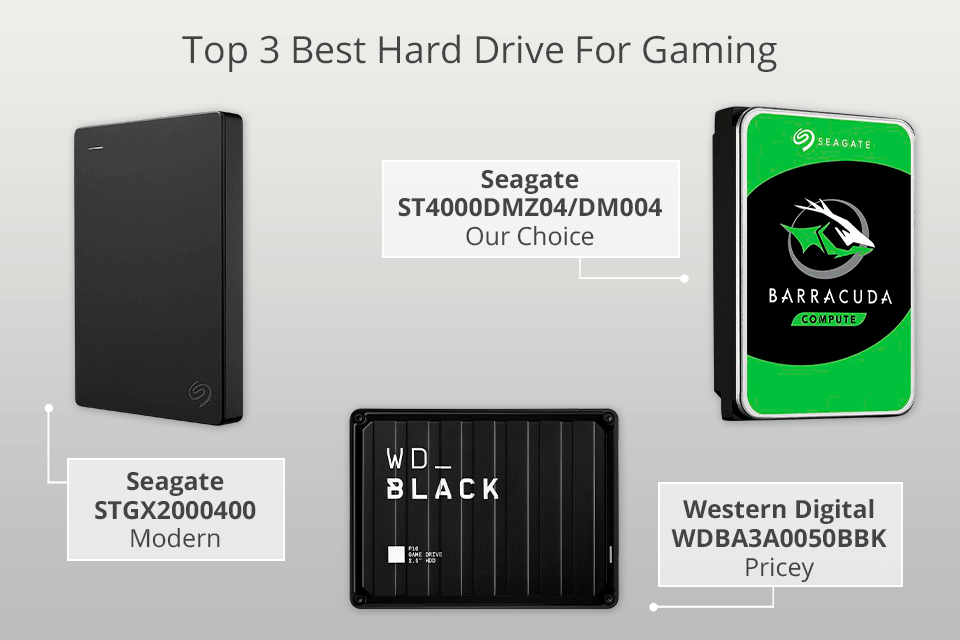
Best Hard Drive HDD For Gaming 2026 Best For Speed Storage Best Hard Drive For Gaming . SSD Vs HDD 2026 Which Storage Is Really Best For You Gemini Generated Image 1 . Best Hard Drive HDD For Gaming 2026 Best For Speed Storage Seagate Barracuda 3TB Unboxing 2 . Upgrading Your PC How To Prioritize Components For Maximum Impact Choosing The Right Storage Solution For Gaming SSD HDD Or Hybrid . Best Hard Drive For Gaming Interaction Design Org Best Hard Drives For Gaming Top 3
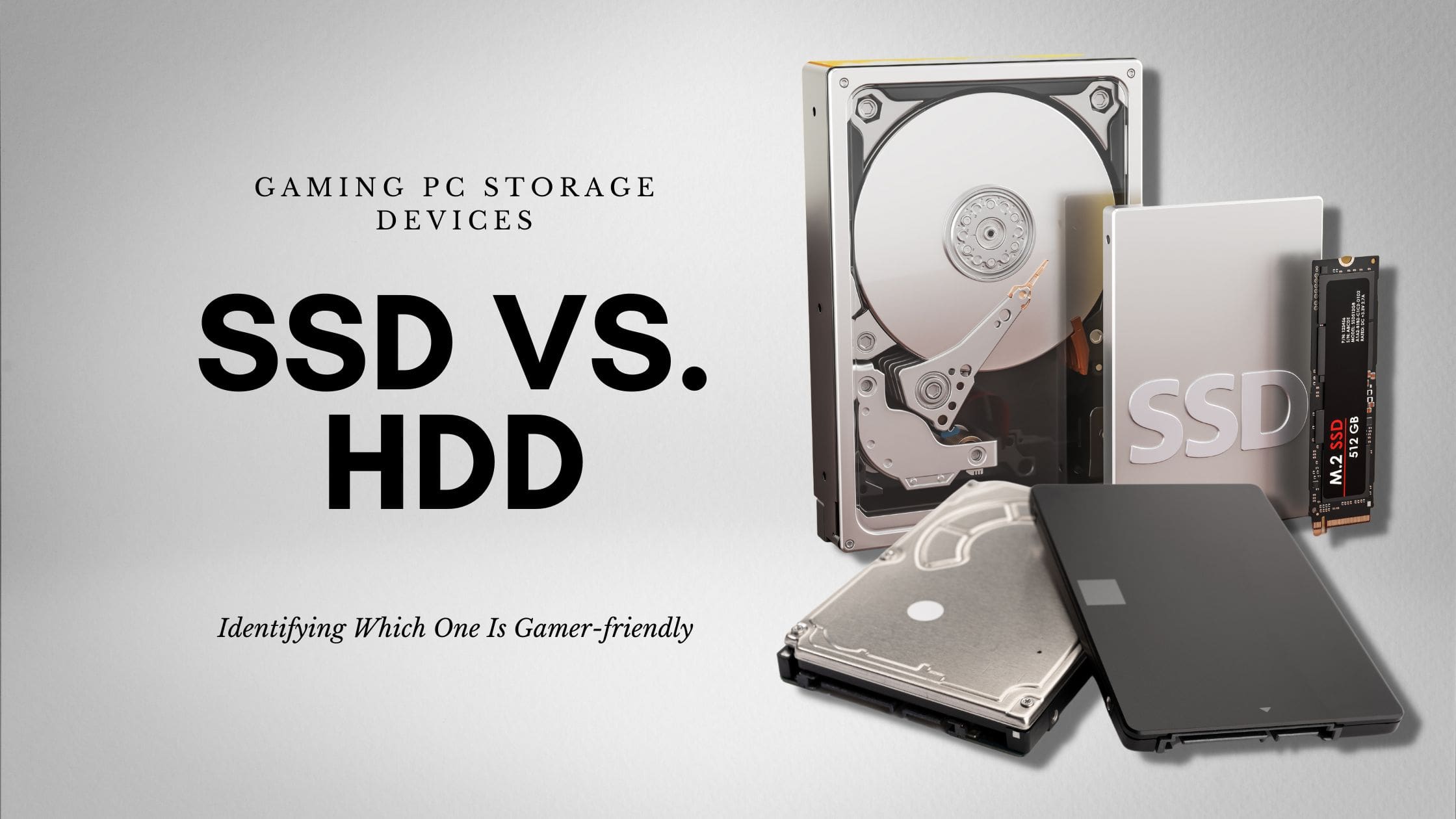
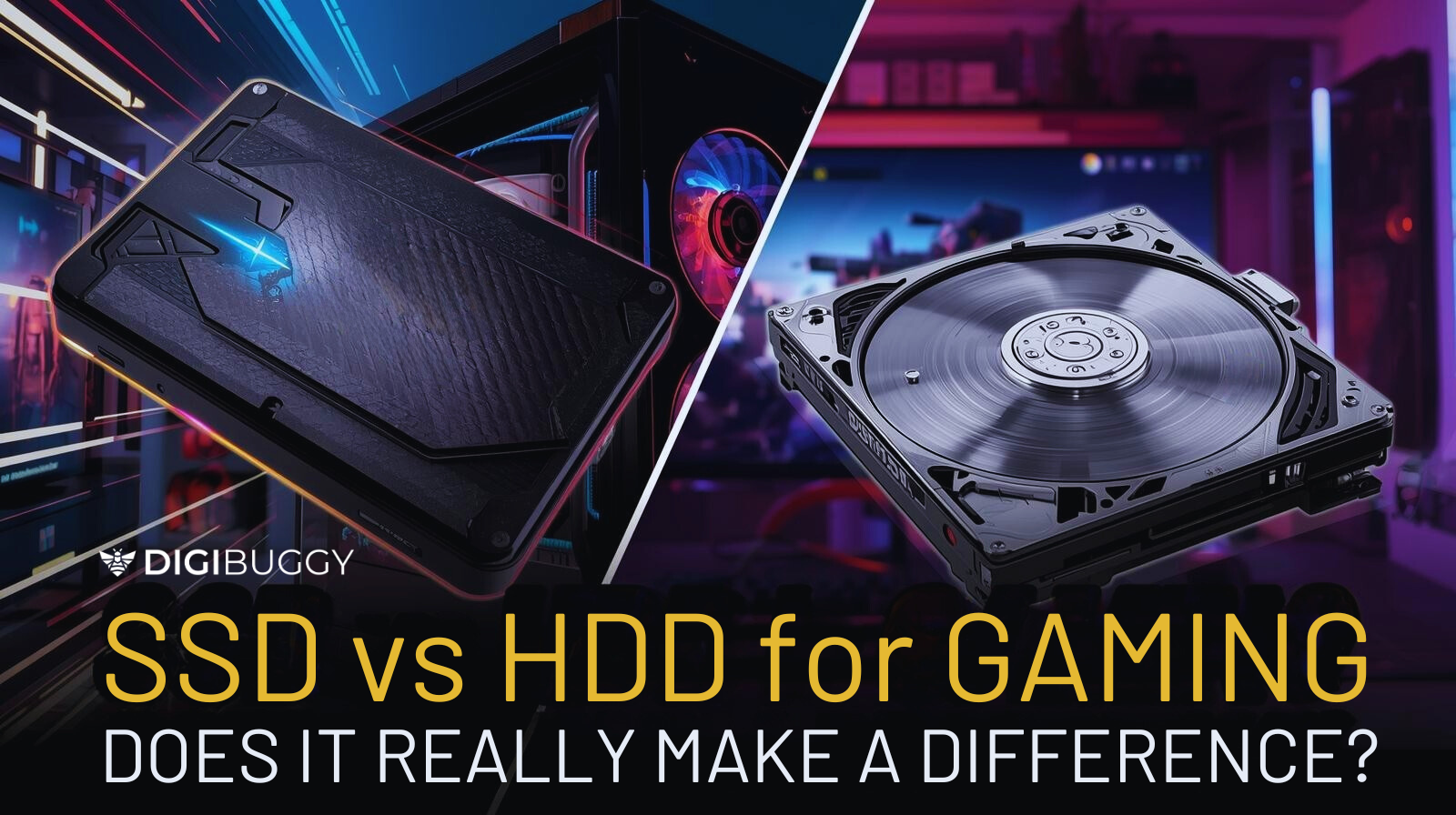


Top Gaming PC Builds Master The Hardware Game In 2026 Ssd Vs Hdd Which One Is Gamer Friendly . SSD Vs HDD For Gaming Does It Really Make A Difference . SSD Or HDD For Gaming Don T Buy Wrong Kingspec Tech SSD Or HDD For Gaming . Best HDD For Gaming In 2026 HDD For Gaming . HDD VS SSD Summary Hdd Vs Ssd For Gaming



Best Hard Drives For Gaming In 2022 Internal And External The Tech Best Hard Drives For Gaming . Best HDD For Gaming 2020 WINNERS Ultimate HDD Buying Guide YouTube . The Best Hard Drive For Gaming In 2026 HDD Buying Guide Best Hard Drive For Gaming 2023 Overall High Capacity For Console . 7 Best Hard Drives For Gaming In 2026 That Video Game Blog Best Hard Drive For Gaming . SSD Vs HDD Gaming Which Is Best For Your Gaming PC SSD Vs HDD Gaming 2


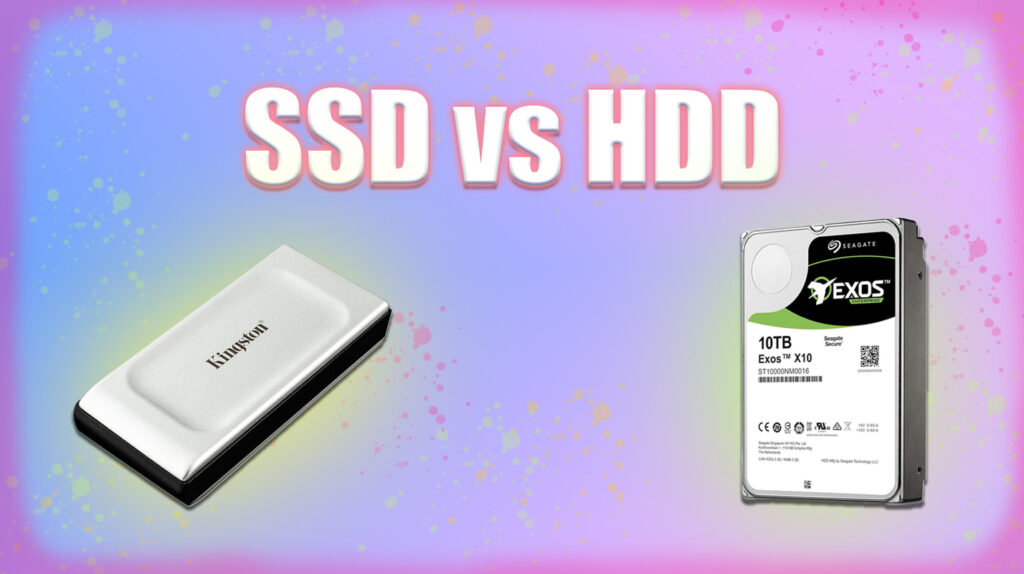
Best Hard Drives 2024 For Gamers Creators And Everyday Users Lucky Good HDD For Gaming PC . The Best HDD In 2025 HDD For Gaming Streaming Or Business Which HDD To Buy 1 . Top 5 Gaming Hard Disks In 2025 We Gamers Club Download . Best HDD For Gaming 2024 Top 9 Gaming Hard Drives NEW Best HDD For Gaming 768x432 . SSD Vs HDD Which Is Better For Your Gaming Needs In 2026 Ssd Vs Hdd 1024x574
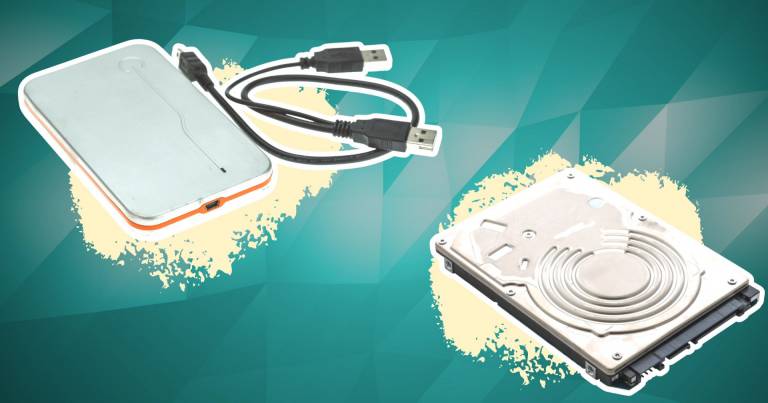
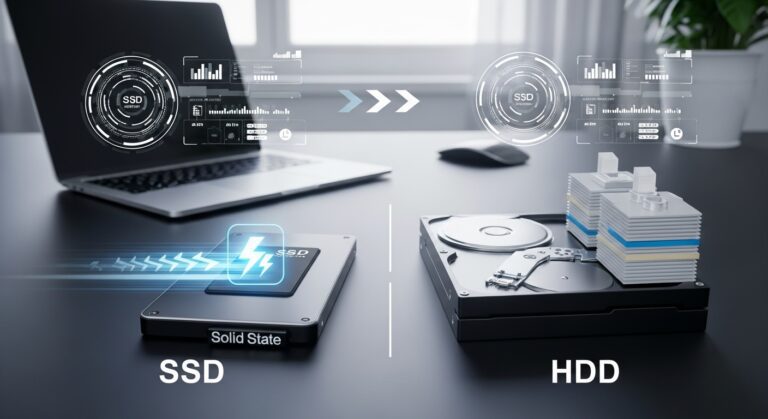

The 10 Good Hdd For Gaming Of 2026 Tested By Our Experts Good Hdd For Gaming 1681730453 768 60 . 3 SSD Vs HDD For Backup April 2026 Expert Tested SSD Vs HDD For Backup 768x419 . SSD Vs HDD Which Is Better For Gaming Modern Gamer SSD Or HDD For Gaming . Western Digital Runs Out Of 2026 HDD Stock WareData Tech Enthusiast Western Digital Runs Out Of 2026 HDD Stock . Best Gaming PC Builds For 2026 Best Gaming PC Builds For 2026.webp


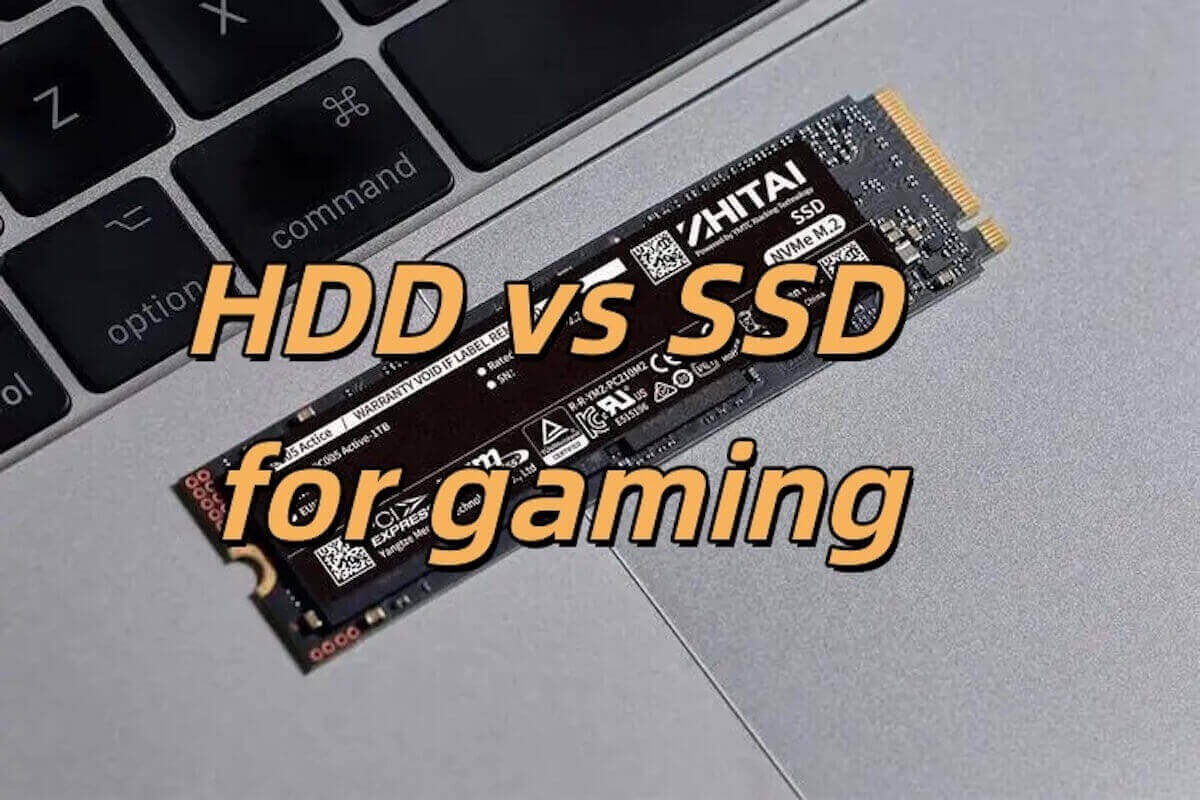
Best Alienware Gaming PC 2026 Out Of This World Aurora Builds . Best RAM For Gaming 2026 Fast Cheap And RGB Tom S Hardware . Does Motherboard Matter For Gaming Performance Motherboard For Gaming Pcs In 2026.webp. Top 10 Most Anticipated Games Of 2026 What To Watch Out For GAMES IN 2026 . Best HDD For Gaming On Laptop And Desktop MiniTool Partition Wizard Best Hdd For Gaming Thumbnail

SSD Vs HDD For Gaming Do SSDs Make Your Games Run Faster Is It Any . SSD Vs HDD Test In New 7 Games FPS Loading. The Best HDDs For Gaming Standard Hybrid Best Hard Drives For Gaming . The Biggest Internal Hdd For 2026 Biggest Internal Hdd 1684906957 1200 60