Are you wondering how big an SSD you really need for gaming in 2026? This comprehensive guide provides essential insights for gamers building new rigs or upgrading existing setups. Discover optimal storage capacities, understanding the speed benefits of NVMe versus traditional SATA drives, and learn how to future-proof your gaming PC. We delve into how modern AAA titles, with their ever-growing file sizes and rich textures, demand significant storage and faster loading times, making the right SSD choice more crucial than ever before. This article navigates the latest trends and technologies, ensuring you make an informed decision for seamless gameplay. Explore the balance between cost, performance, and capacity to enhance your gaming experience significantly.
how big ssd for gaming FAQ 2026 - 50+ Most Asked Questions Answered (Tips, Trick, Guide, How to, Bugs, Builds, Endgame)
Welcome, fellow digital adventurers, to the ultimate living FAQ for "how big SSD for gaming" in 2026! The gaming landscape is constantly evolving, with new titles pushing boundaries not just in graphics but also in sheer file size. This guide is your meticulously updated resource, packed with the latest insights, tricks, and answers to your most pressing storage questions. Whether you're a beginner just starting your PC build journey or a seasoned pro looking for endgame optimization, we've got you covered. Dive in to conquer common bugs, optimize your builds, and ensure your rig is ready for every virtual battle ahead, leveraging the latest patch information and hardware trends.
Beginner Questions
Is 1TB SSD enough for gaming in 2026?
For most casual to mid-range gamers, a 1TB NVMe SSD is a good starting point in 2026. It comfortably holds your operating system and several large AAA titles, offering fast load times and responsive gameplay. However, for extensive libraries, you might find yourself managing space frequently.
What is the minimum recommended SSD size for a gaming PC?
The minimum recommended SSD size for a gaming PC in 2026 is 1TB. Anything smaller, like 500GB, will quickly fill up with modern game installations and your operating system, leading to constant storage headaches and a compromised experience.
Should I get an NVMe or SATA SSD for gaming?
You should prioritize an NVMe SSD for gaming. NVMe drives offer significantly faster speeds than SATA SSDs, leading to quicker game load times, smoother asset streaming, and better performance, especially with upcoming DirectStorage-optimized titles.
Builds & Classes
How much SSD storage do pro gamers typically use?
Pro gamers and content creators often use 2TB to 4TB (or even more) NVMe SSDs to accommodate vast game libraries, high-resolution recording, and demanding editing projects. Large capacities ensure ample space for all their competitive titles and creative work.
What SSD capacity is best for a budget gaming PC build?
For a budget gaming PC build, a 1TB NVMe Gen3 or Gen4 SSD offers the best balance of cost and performance. It's a significant upgrade over traditional hard drives and provides enough space for essential games without a premium price tag.
Optimization & Performance
Does SSD size affect game performance beyond loading times?
While SSD size primarily affects loading times, a very full SSD (especially DRAM-less models) can sometimes experience a slight performance degradation. Having ample free space, generally 15-20%, helps maintain optimal read/write speeds for consistent game performance.
Myth vs Reality: Does a bigger SSD make my FPS higher?
Myth: A bigger SSD makes your FPS higher. Reality: SSD size and speed primarily reduce loading times and improve asset streaming, which can eliminate micro-stutters. Your FPS is determined by your GPU and CPU, not the SSD's capacity directly.
Multiplayer Issues
Can a slow SSD cause lag or stuttering in online multiplayer games?
A slow SSD can contribute to stuttering in online multiplayer games, particularly in titles with complex environments or rapid asset loading. While network ping causes lag, a slow drive can create visual hitches as it struggles to stream game data quickly enough.
Endgame Grind
How to manage a full SSD when I have too many games?
To manage a full SSD, consider uninstalling games you rarely play, moving less demanding titles to a secondary SATA HDD or external SSD, or investing in a larger capacity NVMe drive. Regularly clean up temporary files to free up space.
Bugs & Fixes
My SSD is slowing down; is it a common bug?
SSD slowdowns can occur due to various factors, not always a bug. Common causes include critically low free space, excessive background processes, outdated drivers, or thermal throttling. Ensure sufficient free space and updated firmware for optimal performance.
Myth vs Reality: Does defragmenting an SSD improve performance?
Myth: Defragmenting an SSD improves performance. Reality: Defragmenting an SSD is unnecessary and can reduce its lifespan. SSDs perform best with scattered data, and their wear-leveling algorithms manage data efficiently without traditional defragmentation.
Future-Proofing
What SSD technology should I look for to future-proof my gaming PC?
To future-proof your gaming PC, look for NVMe Gen4 or, ideally, Gen5 SSDs with robust controllers and good thermal solutions. These drives will best leverage upcoming technologies like DirectStorage, ensuring peak performance for years to come.
Cost & Value
Myth vs Reality: Are expensive SSDs always better for gaming?
Myth: All expensive SSDs are always better for gaming. Reality: While higher-end NVMe Gen4/Gen5 drives offer top performance, diminishing returns exist. A mid-range Gen4 drive often provides excellent gaming value without the premium price of the absolute fastest models.
Installation & Setup
Do I need a heatsink for my NVMe SSD?
For most NVMe Gen3 and some Gen4 SSDs, a heatsink isn't strictly necessary for gaming, but it can help prevent thermal throttling. For high-performance Gen4 and especially Gen5 drives, a heatsink is highly recommended to maintain peak speeds during extended use.
Troubleshooting
Why is my new game taking so long to load on my SSD?
If a new game loads slowly on your SSD, check if it's installed on the correct drive, ensure your drivers are updated, and verify the game itself is optimized for SSDs. Sometimes, game-specific settings or background processes can also impact load times.
Myth vs Reality: Do I need to over-provision my gaming SSD?
Myth: You need to manually over-provision your gaming SSD. Reality: Most modern SSDs are factory over-provisioned, and manual over-provisioning is generally unnecessary for gamers. Leaving about 10-15% free space often suffices for performance and wear-leveling.
Myth vs Reality
Myth vs Reality: Using an external SSD is just as good as an internal one for gaming.
Myth: Using an external SSD is just as good as an internal one for gaming. Reality: While external SSDs are convenient, internal NVMe drives offer superior sustained performance and lower latency, which is critical for demanding games and future technologies like DirectStorage.
Still have questions about optimizing your gaming storage? Check out our other popular guides like "Best Gaming PC Builds Under $1500 (2026 Edition)" or "Ultimate Guide to FPS Optimization for Competitive Play." Your perfect gaming setup awaits!
Hey fellow gamers, what's the buzz on the digital street? Everyone's asking, "How big an SSD do I actually need for gaming in 2026?" It's a question that keeps popping up, especially with new titles pushing graphical boundaries and, consequently, storage requirements. Gone are the days when a small solid-state drive was just for your operating system. Today, a robust SSD is the heart of your gaming PC, delivering lightning-fast load times and ensuring smoother gameplay. Let's dive deep into the world of gaming storage, figuring out the sweet spot for your next epic build or crucial upgrade. We're talking about making sure your rig is ready for everything from the most demanding AAA blockbusters to your favorite competitive Ranked matches, without missing a beat.
The sheer size of modern games is truly staggering; it's a trend that doesn't seem to be slowing down. Many new releases now clock in at over 100GB, and some even push past the 200GB mark once all the expansions and updates are factored in. This massive data footprint requires not just space but also rapid access, which is precisely where high-speed SSDs shine. We'll look at how different SSD types impact your gaming experience, from the snappiness of your system to the almost instant loading screens that keep you immersed in the action. Preparing your system for these digital behemoths is key for a truly optimized gaming experience this year and beyond.
The Core of Your Gaming Experience: Why SSDs Rule
In the gaming world, speed is king, and SSDs are the undisputed monarchs. Traditional hard disk drives (HDDs) simply cannot keep up with the data transfer rates required by modern gaming. This performance gap isn't just about loading a game faster; it significantly influences in-game asset streaming, reducing stuttering, and ensuring a smoother overall experience. Imagine warping into a new zone in an MMO or dropping into a Battle Royale without that frustrating texture pop-in or lag. That's the power of a good SSD at work, delivering data to your CPU and GPU at speeds unimaginable just a few years ago. Choosing the right SSD can genuinely elevate your gameplay from good to truly exceptional.
NVMe vs. SATA: What's the Real Difference for Gamers?
When you're shopping for an SSD, you'll encounter two primary types: SATA and NVMe. While SATA SSDs offer a massive leap over HDDs, NVMe drives leverage the PCIe bus, offering substantially higher speeds. For gaming, especially with titles optimized for DirectStorage API coming in 2026, NVMe Gen4 and even newer Gen5 drives are becoming the gold standard. They dramatically reduce loading screens, install game updates quicker, and improve overall system responsiveness. If you're building a new PC, opting for an NVMe SSD, particularly a Gen4 or Gen5, is a no-brainer for maximum performance and future compatibility. It's a key component in any high-performance PC Build.
Optimal SSD Sizing: Finding Your Gaming Sweet Spot
Deciding on the right SSD size can feel like a puzzle, but it doesn't have to be complicated. Your ideal capacity largely depends on your gaming habits and the types of games you play. Casual gamers might get away with less, but serious enthusiasts, especially those playing many AAA titles or large RPGs, will need much more room. Think about how many games you keep installed, the size of those games, and how often you download new ones. This careful consideration will guide you to a storage solution that keeps up with your gaming lifestyle. The goal is to avoid constantly managing storage, which takes away from actual play time.
For the Casual Gamer: 1TB NVMe SSD
If you're a casual gamer who typically keeps 5-10 games installed at a time, a 1TB NVMe SSD is an excellent starting point for 2026. This capacity provides ample space for your operating system, essential applications, and several large games like an FPS or a couple of Indie gems. A 1TB drive offers a great balance between cost and storage, delivering significant speed improvements over older drives. It's usually enough for a solid gaming experience without breaking the bank. Many beginners start here, finding it a perfectly suitable and speedy option for their digital adventures.
- Can comfortably hold OS and 8-12 modern AAA titles.
- Provides excellent loading speeds for a smooth experience.
- More affordable entry point for NVMe technology.
The Enthusiast's Choice: 2TB NVMe SSD
For the serious enthusiast or the gamer who juggles a larger library, a 2TB NVMe SSD is increasingly becoming the recommended standard. This size allows you to install many more games, including multiple large AAA titles and several MMOs, without constant management. With game sizes growing, 2TB offers a comfortable buffer for new releases and ensures you won't be uninstalling games just to make room. It's an investment in convenience and uninterrupted gaming, making it a popular choice among those who play a wide variety of titles or participate in Ranked play across different games. This capacity is also a fantastic choice for content creators.
- Ideal for 15-25 modern AAA games, plus your OS and apps.
- Provides ample room for future game releases and expansions.
- Offers a solid long-term solution for most dedicated gamers.
The Pro Gamer & Content Creator: 4TB+ NVMe SSD
If you're a professional gamer, streamer, or content creator, or simply someone who wants to download every new release without thinking about storage, a 4TB or even 8TB NVMe SSD is your ultimate solution. This massive capacity frees you from storage concerns entirely, allowing you to keep a vast library of games, video captures, and editing projects all on blazing-fast storage. With DirectStorage becoming more prevalent in 2026, the benefits of such large, fast drives will only become more pronounced. This is the ultimate future-proofing move for any top-tier gaming rig, ensuring peak performance for years to come. Pros know that storage is just as important as a good GPU.
- Virtually eliminates storage limitations for your entire game library.
- Crucial for recording high-quality gameplay and video editing.
- Offers the best possible future-proofing for next-gen titles and demands.
Future-Proofing Your Storage for 2026 and Beyond
As gaming technology advances, so do the demands on your hardware. DirectStorage, a key feature in upcoming game engines, will leverage the full speed of NVMe SSDs to load game assets directly to the GPU, bypassing the CPU. This innovation means that slower drives will create a bottleneck, making high-capacity, high-speed NVMe drives not just a luxury but a necessity for optimal performance. Investing in a Gen4 or Gen5 NVMe SSD now will ensure your system is ready for the next wave of gaming experiences. It's about setting yourself up for success, ensuring your PC doesn't just meet minimum requirements but truly excels.
Common Mistakes to Avoid When Choosing an SSD
Don't fall into common traps when picking your gaming SSD. One frequent mistake is prioritizing the absolute cheapest drive without considering its read/write speeds or DRAM cache. Another pitfall is underestimating your actual storage needs, leading to constant uninstalling and reinstalling games. Always check compatibility with your motherboard to ensure you can utilize the full speed of an NVMe drive. Lastly, remember that while a small SSD for your OS is good, dedicating a much larger one for your games is where you'll see the biggest performance gains. Avoid these common blunders to ensure a smooth, powerful gaming setup.
Q&A with Your AI Engineering Mentor: Unpacking SSDs for Gaming
Alright, team, let's talk about something super important for every gamer out there: how big an SSD do you *really* need? I get why this confuses so many people, especially with new games dropping every other week that seem to double in size. It's not just about space anymore; it's about speed and how that speed directly translates into a better, more responsive gaming experience. Let's break down some common questions, from the basics to the nitty-gritty of 2026's tech landscape. You've got this!
Beginner / Core Concepts
- Q: What is an SSD, and why is it better than a traditional hard drive for gaming?
A: An SSD, or Solid State Drive, is essentially a super-fast storage device that uses flash memory, much like a giant USB stick, instead of spinning platters found in older hard drives. For gaming, this is a game-changer because it means significantly faster loading times for games, levels, and textures. Think about how annoying those loading screens can be; an SSD dramatically shortens them, getting you into the action quicker. Plus, it improves overall system responsiveness, making your PC feel snappier. This one used to trip me up too, but once you experience the speed, there's no going back. It’s like upgrading from a horse and buggy to a race car for your data! You'll notice it immediately. - Q: Do I need an SSD just for my games, or is it better for my operating system?
A: You absolutely need an SSD for both your operating system *and* your games! I always recommend putting your OS on an SSD because it makes your entire computer boot up faster and feel much more responsive. But for gaming, putting your games on an SSD means those glorious lightning-fast load times we just talked about. If you can only afford one SSD initially, prioritize your OS and a couple of your most-played games. Ideally, you'll want dedicated space for both. It's a strategic move for overall system performance and pure gaming joy. Don't compromise on speed here! - Q: Will a bigger SSD make my games run faster (higher FPS)?
A: This is a classic misconception, and I get why folks ask! The short answer is, no, a bigger SSD won't directly increase your Frames Per Second (FPS) in games. FPS is primarily determined by your graphics card (GPU) and processor (CPU). What a bigger, faster SSD *does* do is drastically reduce loading times. You'll get into games and levels much quicker, and in-game assets will stream more smoothly, which *can* prevent micro-stutters. So, while it won't boost your raw framerate, it significantly improves the *feel* and *flow* of your gaming experience. It's a quality-of-life upgrade that enhances enjoyment, not raw computational power. - Q: What's the minimum SSD size I should consider for gaming in 2026?
A: For 2026, I'd honestly say 1TB NVMe is the absolute minimum if you're serious about gaming. While 500GB might seem tempting, modern AAA titles are frequently over 100GB, and some are pushing 200GB+ with DLC. A 500GB drive would fill up almost instantly after installing your OS and a couple of big games, leading to constant storage management headaches. A 1TB drive gives you a comfortable buffer for your OS, essential apps, and 8-10 major titles. Think of it as investing in peace of mind. You don't want to spend more time juggling files than actually playing!
Intermediate / Practical & Production
- Q: Should I prioritize NVMe Gen4 or Gen5 SSDs for my new gaming PC build?
A: Great question, especially with Gen5 drives hitting the market! For most gamers in 2026, prioritizing a high-quality NVMe Gen4 SSD still offers phenomenal performance at a better price point. Gen5 drives are incredibly fast, but current games don't fully saturate Gen4 speeds, let alone Gen5. While Gen5 is excellent for future-proofing and specific professional workloads, the performance uplift in *just* gaming right now isn't always worth the premium for everyone. That said, if your budget allows, and you want absolute top-tier performance for the next 5+ years, Gen5 is compelling. Focus on a reliable brand with good endurance. It's about finding that sweet spot for your wallet and your games. - Q: How many games can realistically fit on a 2TB NVMe SSD in 2026?
A: A 2TB NVMe SSD is a fantastic sweet spot for capacity in 2026! After accounting for your operating system and essential applications (which might take up 50-100GB), you're looking at roughly 1.8TB of usable space. Considering modern AAA games often range from 80GB to 150GB (or even more with updates and DLC), you could comfortably fit around 12-20 major titles. Plus, you'd have room for a good number of smaller indie games, MOBA clients, and other favorites. This capacity significantly reduces the need for constant game management, allowing you to have a healthy rotation installed and ready to play. It’s a real productivity booster for gamers! - Q: Is it worth upgrading from a SATA SSD to an NVMe SSD for gaming?
A: Absolutely, upgrading from a SATA SSD to an NVMe SSD is a noticeable leap, especially as games become more optimized for faster storage. While a SATA SSD is miles better than an HDD, NVMe drives, particularly Gen4 or Gen5, offer significantly higher sequential read/write speeds and better random performance. You'll experience even quicker game load times, faster level transitions, and smoother asset streaming, which can be crucial in open-world or competitive titles. If you're on a SATA SSD now, and your motherboard supports NVMe, it's a highly recommended upgrade for that extra snappiness and future-proofing. It's an upgrade that truly impacts your daily gaming flow. - Q: How does DirectStorage impact my SSD choice for future games?
A: DirectStorage is a game-changer, and it profoundly impacts your SSD choice for future titles. This technology allows game data to load directly from your NVMe SSD to your graphics card, bypassing your CPU, which dramatically reduces loading times and CPU overhead. For DirectStorage to work effectively and deliver its full benefits, you *must* have an NVMe SSD. Slower SATA drives simply won't cut it, becoming a bottleneck. So, if you want to experience the absolute fastest loading and asset streaming in upcoming games, an NVMe SSD, preferably Gen4 or Gen5, is non-negotiable. It's the future of game loading, and you'll want to be ready. - Q: Can I use a combination of SSDs (e.g., smaller NVMe + larger SATA) for gaming?
A: Yes, absolutely! This is a very common and practical setup, often recommended as a cost-effective solution. You could put your operating system and your absolute most-played, speed-critical games (like your main FPS or a competitive MOBA) on a smaller, faster NVMe drive. Then, use a larger, more affordable SATA SSD for the rest of your game library, less demanding titles, or general storage. This strategy gives you the best of both worlds: blazing speed where it matters most, and ample, fast-enough storage for everything else, without breaking the bank. It's a smart build strategy. You've got options! - Q: What about external SSDs? Are they good enough for gaming?
A: External SSDs have come a long way, and for many games, they can certainly be 'good enough.' If you're playing older titles, indie games, or even some current-gen AAA games that aren't overly demanding on I/O, an external SSD (especially a USB 3.2 Gen 2 or Thunderbolt drive) can offer decent load times. However, for the absolute latest, most graphically intensive games, especially those leveraging DirectStorage, an internal NVMe SSD will always provide superior performance. External drives introduce additional latency and can be limited by the USB interface. They're great for portability or expanding console storage, but for a primary PC gaming drive, internal is king.
Advanced / Research & Frontier 2026
- Q: Are there any specific NVMe Gen5 SSD features I should look for that benefit gaming?
A: As we move further into 2026, specific Gen5 features are becoming more relevant. Beyond raw sequential speeds, look for drives with robust controller technology and advanced thermal management (heatsinks are crucial for Gen5!). Some Gen5 drives are starting to integrate dedicated hardware acceleration for DirectStorage, which could offer incremental gains. Also, consider the IOPS (Input/Output Operations Per Second) for random read/write, as this heavily impacts real-world game loading, not just theoretical maximums. While the full gaming benefit is still evolving, investing in a high-end Gen5 with these features sets you up perfectly for future optimization. It’s about leveraging the tech, not just having it. - Q: How does DRAM cache on an SSD affect gaming performance?
A: DRAM cache on an SSD is pretty important, and here's why: it acts as a super-fast buffer for the drive's mapping table. This mapping table tells the SSD where all your data is stored. Without DRAM (DRAM-less SSDs), the drive has to store this table in slower NAND flash, or even use your system's RAM, which can slow down sustained writes and random read/write operations. For gaming, this means a DRAM-equipped SSD generally offers more consistent performance, especially during heavy load times or when the drive is nearly full. It ensures that the drive can quickly locate and access game assets without stuttering. Always aim for a drive with DRAM cache for optimal performance. - Q: What's the impact of an SSD's endurance (TBW) on a gamer's long-term usage?
A: SSD endurance, measured in Terabytes Written (TBW), describes how much data can be written to the drive before its reliability might degrade. For most gamers, TBW isn't a primary concern. Modern SSDs have extremely high endurance ratings, often far exceeding what an average gamer will ever achieve. You're much more likely to upgrade your SSD due to capacity needs or technological advancements than to 'wear it out.' Even if you're constantly installing and uninstalling massive games, it would take many years to hit the TBW limit of a typical quality SSD. So, while it's good to be aware of, don't let TBW be your main stress point when choosing a gaming drive. - Q: Can SSD partitioning benefit gaming or just add complexity?
A: SSD partitioning *can* have niche benefits, but for most gamers, it often adds unnecessary complexity without significant performance gains. Some users partition to separate their OS and programs from their games library, or to dedicate a small partition for specific recording software. In theory, this can help with organization and potentially slightly reduce fragmentation within a specific partition. However, the performance difference on a modern NVMe SSD is usually negligible. Windows already handles file management efficiently. If you like extreme organization, go for it, but don't expect a major FPS boost. For most, a single, large gaming partition is simpler and just as effective. - Q: Beyond raw speed, what advanced features in 2026 SSDs should pro gamers consider?
A: For pro gamers in 2026, it's about more than just raw sequential speed. Look for SSDs with advanced error correction and robust firmware that ensures consistent performance under sustained heavy loads. Thermal management is critical; some high-end NVMe drives come with integrated heatsinks, which are essential to prevent thermal throttling during long gaming sessions or competitive play. Also, consider the manufacturer's software suite for monitoring drive health and optimizing performance. Lastly, prioritize reliability and strong warranty support, because a drive failure during a crucial tournament is absolutely unacceptable. These 'behind the scenes' features contribute to a stable, high-performance gaming environment.
Quick 2026 Human-Friendly Cheat-Sheet for This Topic
- For most gamers, a 2TB NVMe Gen4 SSD is the absolute sweet spot in 2026 for performance and capacity.
- Don't skimp on speed! NVMe drives are significantly faster than SATA for gaming load times.
- 1TB is your minimum if you play even a few AAA titles; anything less will feel cramped fast.
- Gen5 NVMe is cutting-edge, but Gen4 offers fantastic value without much gaming performance loss currently.
- Future games with DirectStorage will heavily favor NVMe SSDs, so plan your Build accordingly.
- Always ensure your motherboard supports the NVMe type (Gen4/Gen5) you're buying.
- Remember, a bigger SSD means more installed games and less time spent managing storage!
Optimal SSD sizes for 2026 gaming, NVMe Gen4 vs Gen5 performance for games, balancing cost and capacity, future-proofing gaming storage, understanding game file sizes, impact of SSD on load times and gameplay fluidity.
35

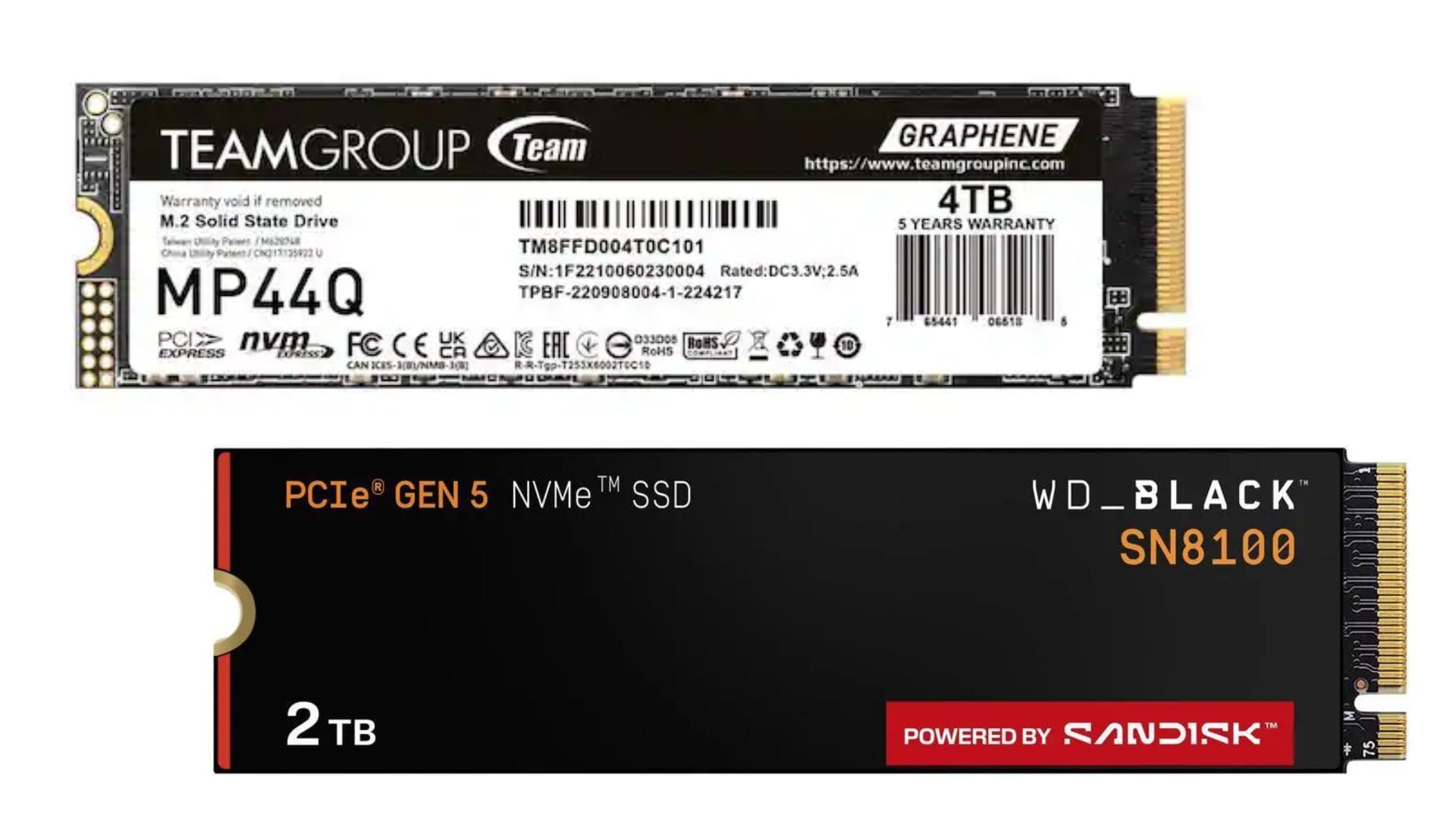

3 Best External SSDs For Gaming In 2026 Fast Reliable And Ready To Play Top Gaming External Ssds 3rguk . Best SSD For Gaming 2026 Fastest SSDs You Got To Consider YouTube . 5 Best Gaming SSDs In 2026 7e831 1920 . Best Gaming SSDs 2026 12 Expert Tested Drives Featured Image Ydba21eq . Top 5 NVMe SSDs For Gaming PCs In 2026 TES PC Top 5 NVMe SSDs For Future Proofing High End Gaming PCs
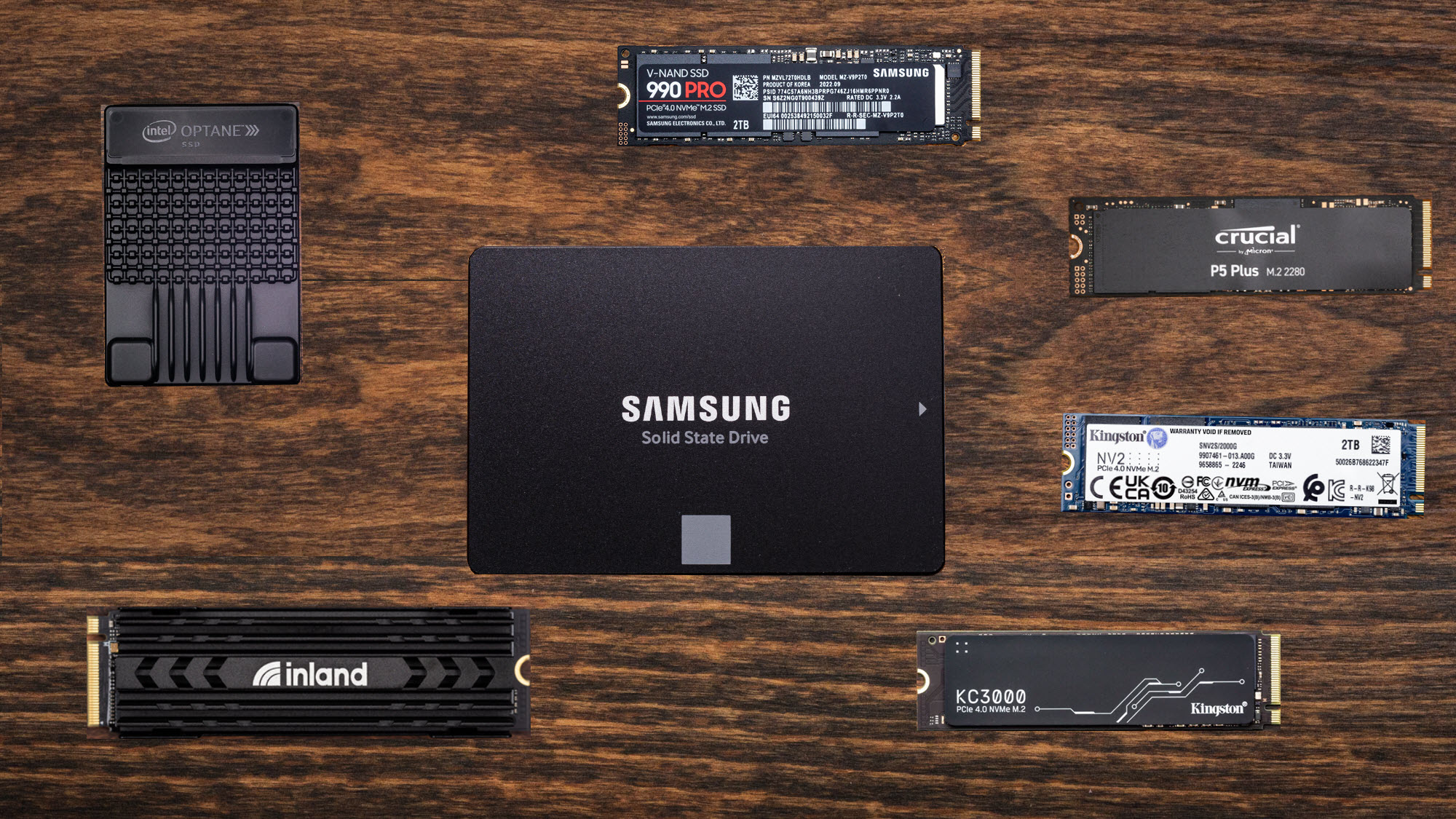
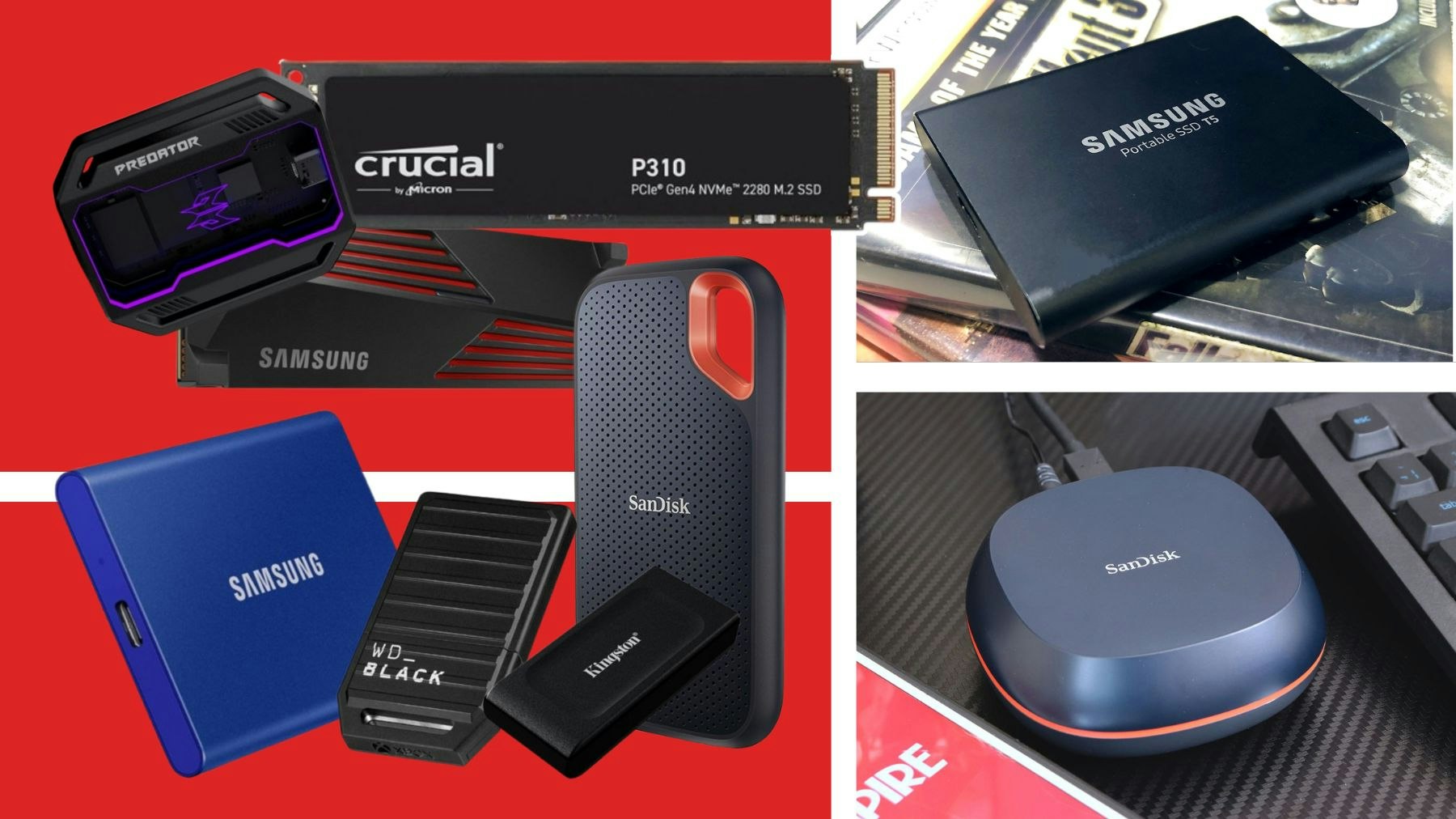

Microsoft Launches Three New Xbox Series X S Consoles With Up To 2TB Of . Our Experts Pick The Best SSDs For Gaming In 2026 Speedy Storage To. Best Gaming SSD 2026 Top 3 Blazing Fast Drives For Ultimate . Best SSD For Gaming 2026 The Best Performing Drives For Your PC 1200 80 . How Much Storage Does A Gaming PC Need 2026 How Much Storage For Gaming.webp


Best NVMe SSDs For Gaming 2026 12 Drives Tested Compared Featured Image Udc40xfz . 5 Top Lexar SSDs For Gaming In 2026 Unleash Your Rig S Full Potential Featured Lexar Best Ssd For Gaming 2026 . 10 Best SSDs For Gaming In 2026 Picked By Experts Copy Of Copy Of Copy Of Copy Of Copy Of TV Sale Empire 4 . Best SSDs For PS5 Recommended By Gaming Experts 2026 Gaming Academy Best Ssd For Ps5 . Best External SSDs For Gaming Backups And Beyond In 2026 Best External Ssd For Gaming 1024x574

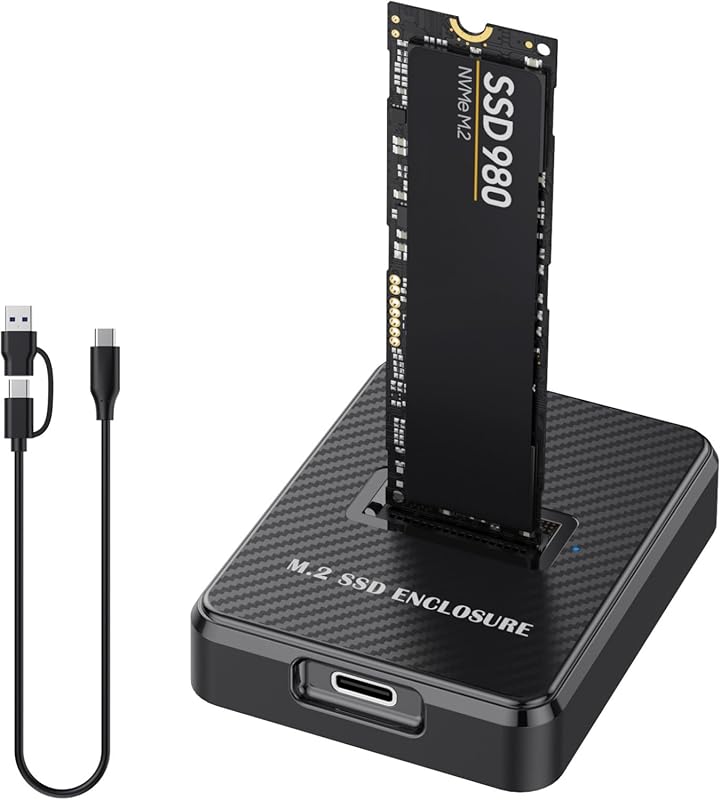


Top 5 Best PS5 SSDs For 2026 Boost Your Gaming Performance Top 5 Best PS5 SSDs.webp. Top 5 Best PS5 SSDs For 2026 Boost Your Gaming Performance AC SL1500 . 5 Best SSDs For 2026 Expert Buying Guide Ssdbuddy Com Product B0DHNXGKPD 6 . Crucial BX500 240GB SSD Review 2026 Fast Reliable SATA Upgrade For Product Image 23 . Top 25 Best Internal SSDs M 2 NVMe For 2026 PS5 Expansion PC Build Internal Ssd



Best Portable SSDs For Gaming In 2026 Top 5 Performance Drives World Sky Hynix Beetle X31 Ssd . 12 Best Gaming SSDs 2026 Expert Reviewed Drives Tested Sailor Piece JJK Guide 1024x559 . SSD Images The Ultimate Guide For Speed Amp Performance This Week Best Ssd Gaming . 5 Best SSDs For Gaming In 2025 Deltia S Gaming Featured Image 1 . The Best SSDs For PC Gaming In 2026 7 6725982 2m7x



The Best SSDs In 2026 Techy101 The Best SSDs In 2026 . 12 Best Gaming SSDs 2026 Expert Reviewed Drives Tested Climb Scary Worm Tower 1024x559 . 12 Best Gaming SSDs 2026 Expert Reviewed Drives Tested How To Beat All YapYap Monsters 768x419 . The Best SSDs For PC Gaming In 2026 The Best Ssds For Pc Gaming In 2026 Egpx.1200 . The Best SSDs For Upgrading Your Laptop In 2026 The Best Internal Ssds For 2026 Wxnf.640

Sandisk S New Optimus SSD Line Up Replaces Retired WD Color Based . The Best SSDs In 2026 3b355db0 E9bc 11ed Bffe. Upgrade Your PC S Storage And Maximize Your Digital Space 2026 Best SSDs Of 2024 711x400 . Will SSDs Fully Replace HDDs In 2026 Storage Future Trends And Ssd Laptop . Why SSDs Are Getting More Expensive In 2026 Acer Corner Why Ssds Are Getting More Expensive In 2026