Have you ever wondered how to share your incredible Roblox game with the world? This comprehensive guide illuminates the essential steps involved in successfully publishing your game on Roblox, ensuring it reaches millions of potential players. We'll delve into everything from initial setup in Roblox Studio to configuring game settings, understanding visibility options, and optimizing for player engagement. Discover why proper testing and a compelling game description are crucial for attracting a dedicated audience. Learn how to navigate the publishing dashboard, make your game public, and even begin exploring monetization opportunities. This resource provides clear, actionable insights for both aspiring and experienced Roblox developers looking to launch their next big hit in the vibrant Roblox ecosystem. Unlock your game's full potential by mastering the publishing process today.
Hey there, fellow Roblox enthusiast! Ever wondered how to transform your awesome creation in Roblox Studio into a game millions can actually play? You're definitely not alone! It's super exciting to get your game out there, and I get why figuring out the publishing process can feel a bit like cracking a secret code. Think of this as your ultimate, living FAQ, constantly updated to help you navigate every twist and turn, even with the latest Roblox patches. We're going to cover everything from those first curious steps to advanced tips for keeping your game fresh and thriving, so let's jump in!
Publishing a game on Roblox is a journey from your creative vision to a shared experience. It involves preparing your game meticulously, ensuring it’s free of glitches, and then strategically presenting it to the vast Roblox community. This means paying attention to details like your game’s visual identity, its description, and how you interact with your players. It's about more than just uploading a file; it's about launching an experience.
You'll find that Roblox offers incredible tools to help you along the way, making it accessible for everyone, regardless of their coding expertise. From basic privacy settings to advanced monetization options, the platform empowers you to control your game's destiny. The key is to understand each step, from hitting that 'Publish' button to continually updating and promoting your creation. This guide will clarify all those aspects, making the process much clearer.
Ultimately, getting your game published isn't just about showing off your skills; it's about building a community, telling a story, and potentially even turning your passion into a profitable venture. So, whether you're aiming for a casual hangout spot or the next big adventure game, mastering the publishing phase is your first major victory. Let's make sure your game gets the spotlight it deserves!
Most Asked Questions about How Do I Publish a Game on Roblox
What is the easiest way to publish my Roblox game?
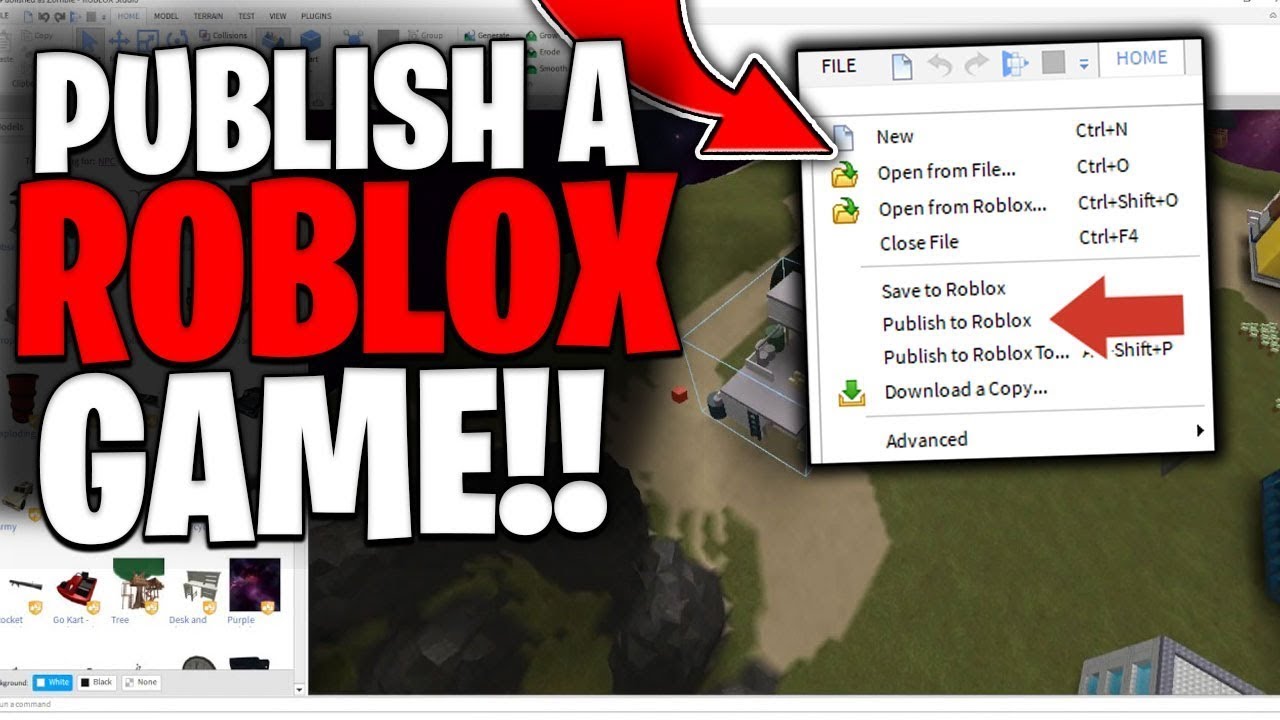
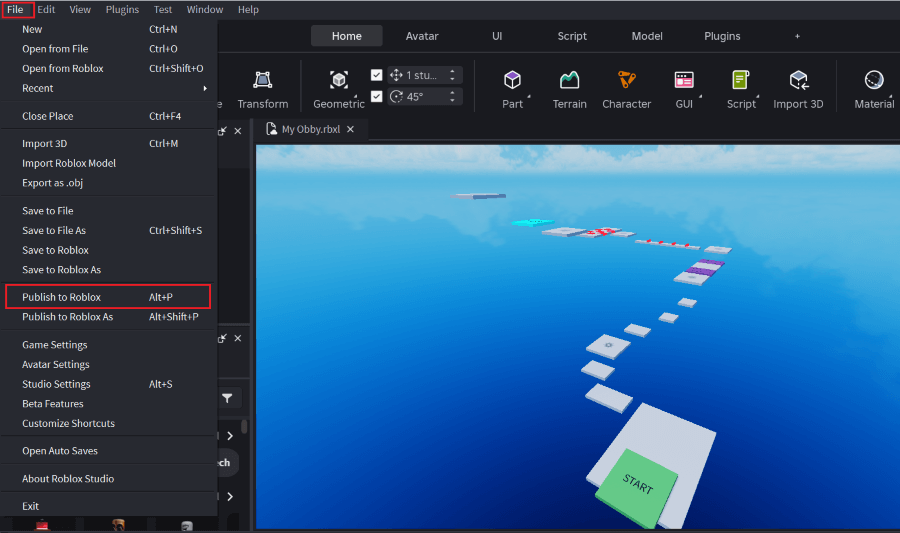
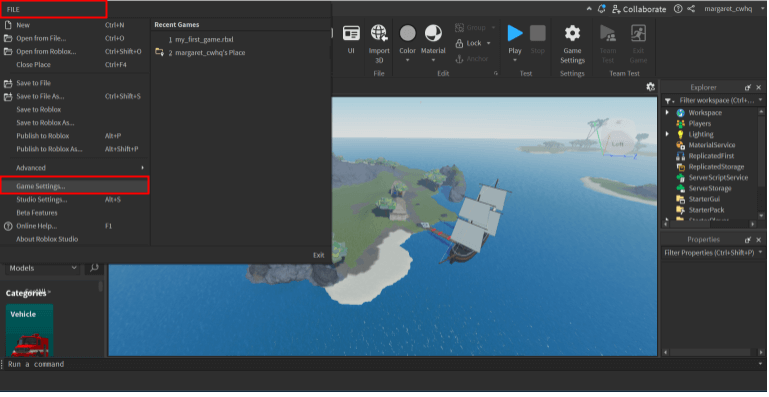
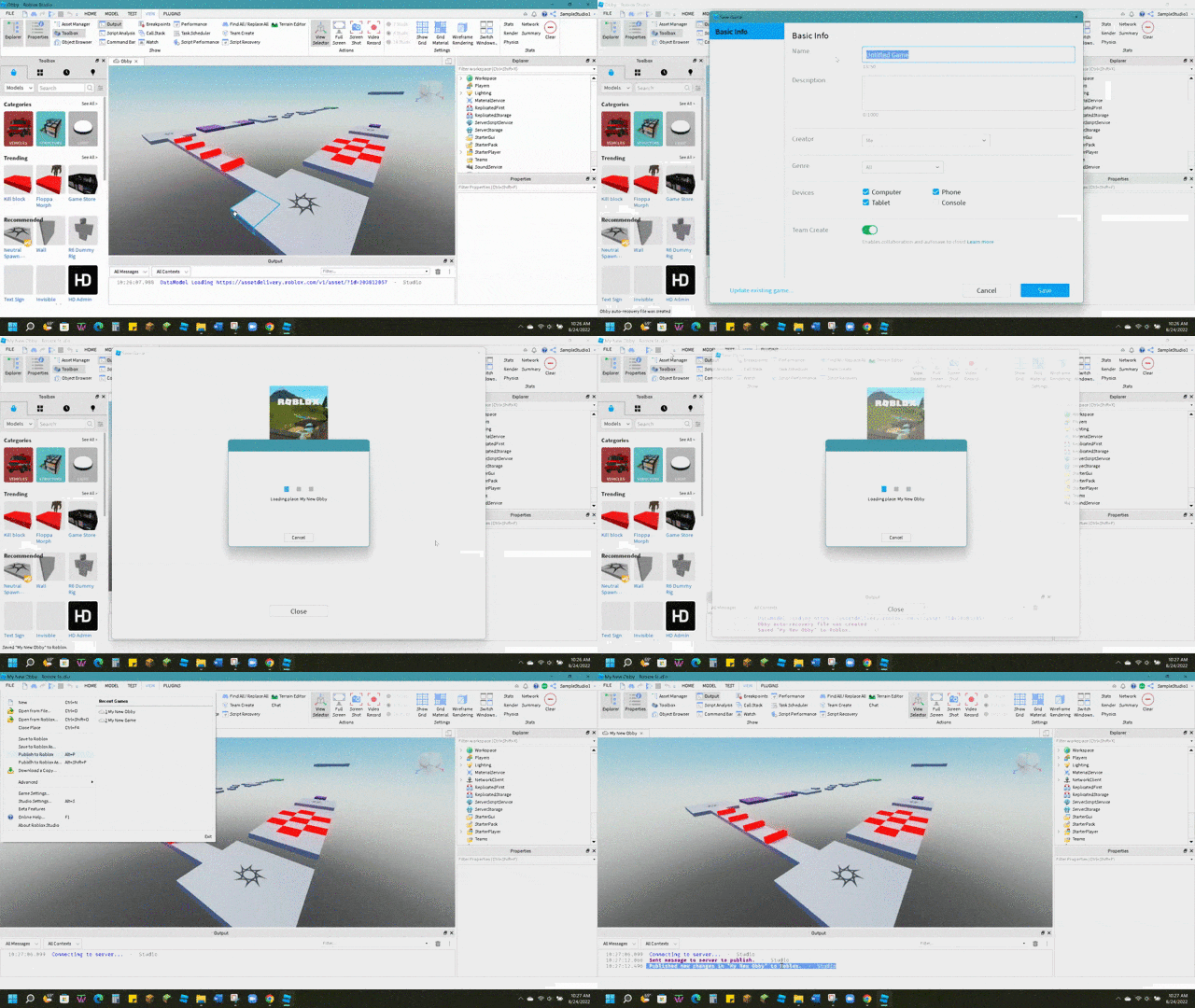
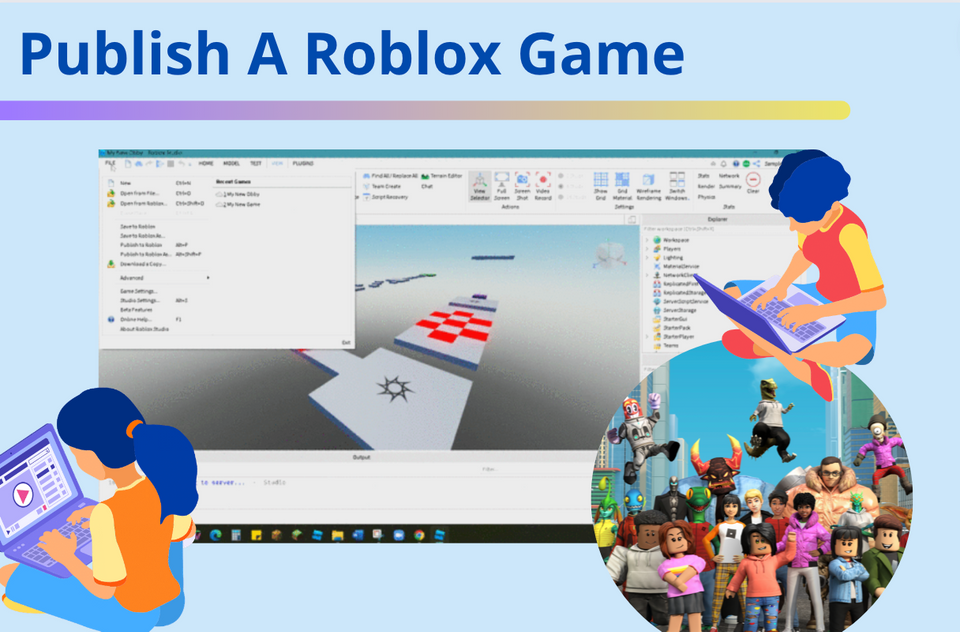
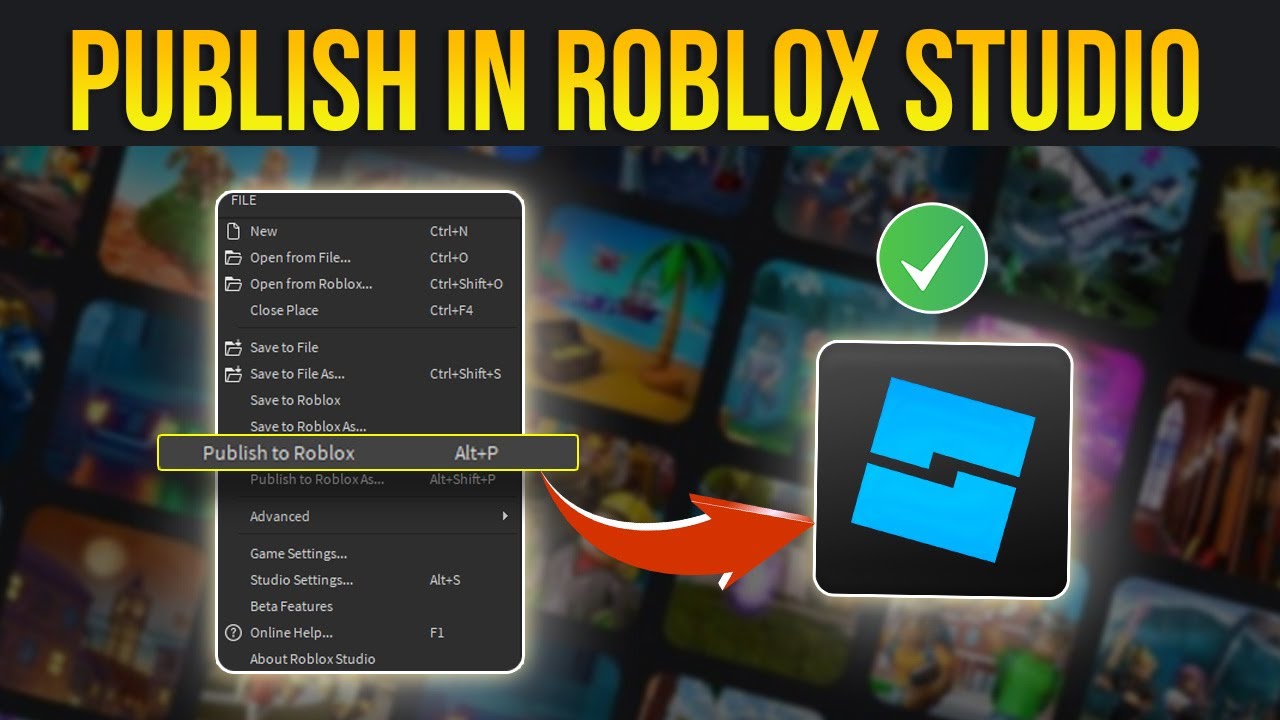
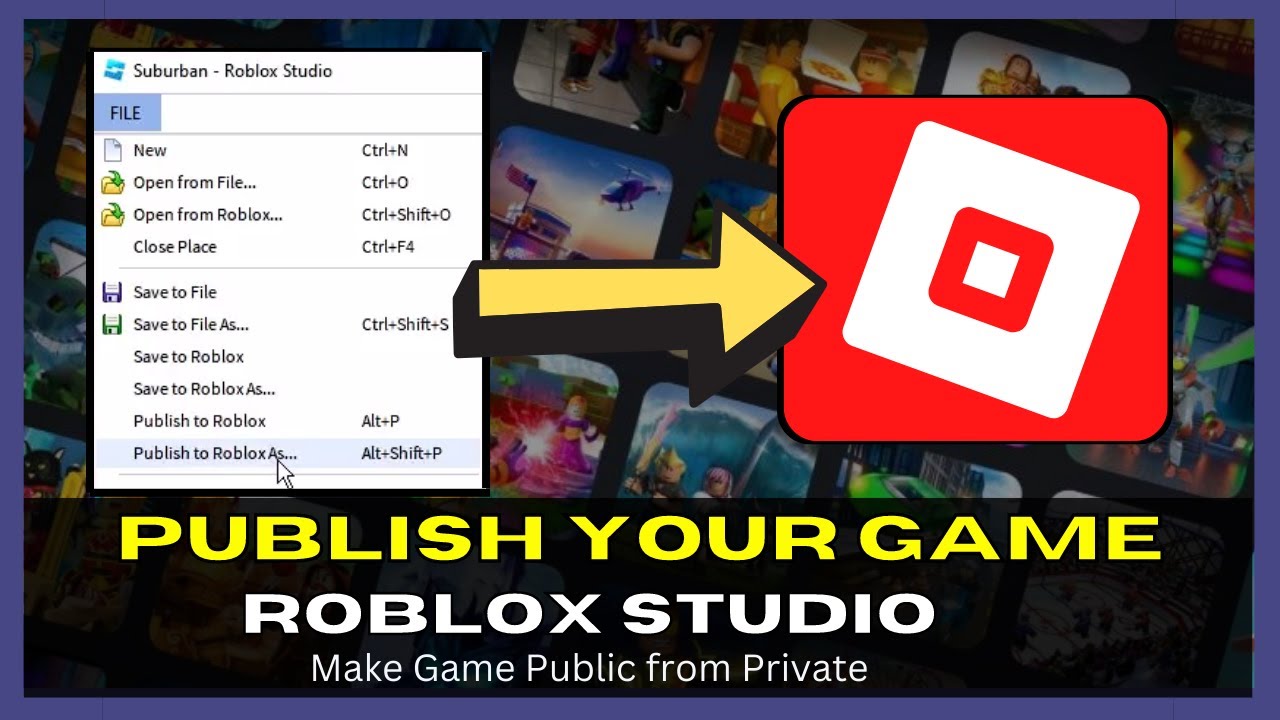
The easiest way to publish your Roblox game is directly through Roblox Studio. Open your game, go to 'File', then 'Publish to Roblox As...'. Choose to 'Create New Game', fill in a title and description, and importantly, set its privacy to 'Public'. This simple sequence makes your game accessible to players worldwide in just a few clicks.
How do I make my game public on Roblox after saving it?
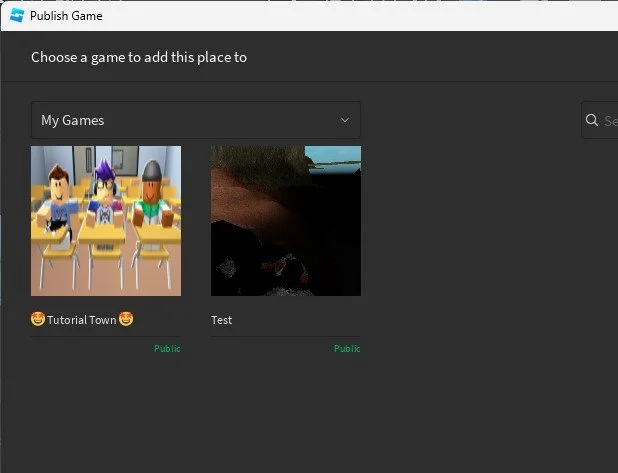
After saving your game in Roblox Studio, make it public by opening it, going to 'File', and selecting 'Publish to Roblox As...'. If you've previously saved it to Roblox, choose your existing game. In the settings, ensure the 'Privacy' option is set to 'Public' so players can discover and join your experience. Remember to update your game details.
Why is my Roblox game not showing up after I published it?
If your Roblox game isn't showing up, first verify its privacy settings are set to 'Public' in 'Configure Experience' on the Roblox website. Ensure you’ve actually published the latest version from Studio. Sometimes it takes a few minutes for new games to appear in search. Also, check for any moderation issues that might prevent visibility.
What are common bugs to check before publishing a Roblox game?
Before publishing, common bugs to check include broken scripts, unanchored parts causing physics issues, memory leaks slowing performance, and UI elements not scaling correctly on different devices. Always test all gameplay mechanics, teleportation, and critical features to ensure a smooth, enjoyable experience for every player.
Can I update my Roblox game after it has been published?
Yes, you can absolutely update your Roblox game after it's published. Simply make your desired changes in Roblox Studio, then go to 'File' and select 'Publish to Roblox'. Choose to overwrite your existing game. The update will then go live, allowing you to continuously improve your game, add new features, or fix any issues that arise.
What are the best tips for promoting a new Roblox game?
The best tips for promoting a new Roblox game include creating engaging social media content (TikTok, YouTube), running Roblox Ads or Sponsored Games, and actively engaging with the Roblox community on forums and Discord. Encourage players to share their experiences and offer enticing in-game rewards to foster organic growth.
How do I monetize my Roblox game effectively after publishing?
To monetize your Roblox game effectively, integrate Game Passes for one-time perks and Developer Products for consumable items that enhance gameplay. Ensure purchases offer clear value to players. Use Premium Payouts by keeping players engaged. Continuously analyze data on purchases and player behavior to optimize your monetization strategy.
How long does it take for a Roblox game to become popular?
There's no fixed timeline for a Roblox game to become popular; it can vary greatly. Some games gain traction quickly due to viral promotion or unique mechanics, while others build an audience steadily over months with consistent updates and community engagement. Success often depends on game quality, promotion, and player retention efforts.
What are some good strategies for player retention in a Roblox game?
Good strategies for player retention include regular, meaningful content updates, daily login rewards, seasonal events, and engaging leaderboards. Foster a strong community through platforms like Discord, actively listen to player feedback, and communicate transparently about future plans. A compelling loop keeps players coming back.
Are there any specific hardware requirements to develop and publish on Roblox?
While publishing a game on Roblox doesn't have specific hardware requirements beyond a functional internet connection, developing effectively in Roblox Studio benefits from a reasonably modern PC. A good processor (Intel i5/Ryzen 5 or better), 8GB+ RAM, and a dedicated graphics card ensure smooth building and testing experiences. Older systems might struggle with larger projects.
What's the difference between 'Save to Roblox' and 'Publish to Roblox'?
Save to Roblox simply backs up your game to your account on the Roblox cloud, keeping it private and accessible only to you or your designated team. Publish to Roblox, however, takes that saved version and makes it accessible to the wider public on the Roblox platform, allowing anyone to find and play your game. One saves, the other shares.
How do I get my game noticed by Roblox staff or featured?
Getting your game noticed by Roblox staff for potential featuring often comes down to creating a high-quality, innovative, and popular experience that adheres to community standards. Focus on excellent gameplay, strong player retention, consistent updates, and positive community engagement. While not guaranteed, these factors significantly increase visibility and potential recognition by Roblox.
What are the best practices for handling player data and privacy in my game?
Best practices for handling player data and privacy include only collecting necessary information and explicitly getting consent if personal data beyond standard Roblox services is required. Always adhere to Roblox's privacy policies. Ensure your game is secure against exploits that could expose player data and never ask for personal identifying information.
Can I collaborate with other developers on a game and then publish it together?
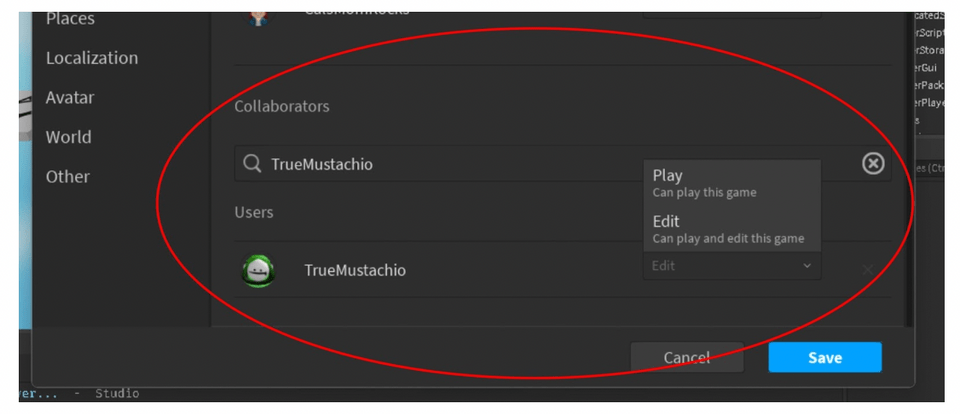
Absolutely! Roblox Studio features a powerful 'Team Create' function that allows multiple developers to work on the same game simultaneously. You can invite collaborators to your game, granting them editing permissions. Once the game is ready, any team member with publishing permissions can publish the game, sharing the collective effort with the world.
What should I do if my published Roblox game experiences a sudden drop in players?
If your published Roblox game sees a sudden player drop, immediately investigate recent updates for new bugs or performance issues. Check Roblox's Developer Stats for insights into player churn or specific problem areas. Gather player feedback on social media or Discord. Address critical issues swiftly and communicate your efforts transparently to the community to rebuild trust and re-engage players.
Still have questions?
Check out these popular related guides: 'Mastering Roblox Studio for Beginners,' 'Advanced Scripting Techniques in Roblox,' and 'Effective Game Design Principles for Roblox.' They'll help you dive even deeper!
So, you've poured your heart into creating an awesome game on Roblox, meticulously building worlds and scripting mechanics. You might be asking, "How do I actually get my masterpiece out there for millions to play?" It’s a fantastic question and one every aspiring Roblox developer faces on their creative journey. Publishing your game on Roblox isn't just a simple click of a button; it's a strategic process that ensures your creation is polished, accessible, and ready to captivate a massive global audience. This guide is your roadmap to navigating that process with confidence, transforming your private project into a public sensation.
Understanding **Roblox Developer Success** is paramount. Why is a robust publishing strategy so key for achieving developer success? It's fundamentally about maximizing visibility and fostering genuine player engagement. A well-executed launch ensures your game captures attention, stands out amidst the bustling platform, and establishes a strong foundation for future content updates and community growth. This strategic approach paves the way for a thriving game environment.
**User Generated Content (UGC) Platforms** like Roblox are transforming the gaming landscape. Where do these innovative UGC platforms like Roblox truly fit into the modern gaming world? They have become incredibly vital hubs, empowering creators from every corner of the globe. These platforms expertly lower traditional barriers to entry, enabling anyone with an imaginative idea to effortlessly share their unique virtual worlds with a truly immense and diverse audience, democratizing game development in exciting new ways.
Considering **Game Monetization Strategies** is also a critical step for many creators. How can I best implement effective game monetization strategies on Roblox? Comprehending the various options available, such as Developer Products, Game Passes, and the increasingly important Premium Payouts system, is absolutely crucial. Effective monetization seamlessly integrates within your gameplay experience, consistently providing genuine value to your players while simultaneously generating sustainable revenue streams for dedicated creators. It's a balance of player experience and creator reward.
Beginner / Core Concepts
Here, we'll cover the foundational knowledge you need before you even think about hitting that publish button. These are the steps and considerations that set the stage for your game's public debut, ensuring you have a solid groundwork.
- Q: What are the absolute first steps I need to take to prepare my game for publishing on Roblox? A: Your very first steps involve comprehensive testing and meticulous bug fixing within Roblox Studio. It's like a chef tasting their dish before serving; you need to ensure everything works perfectly and offers a smooth experience. Play through your game multiple times, try different scenarios, and have friends or fellow developers test it too. This helps you catch glitches, improve gameplay flow, and identify any frustrating elements before real players encounter them. Think of testing as your game's dress rehearsal, where every detail is ironed out for a flawless opening night. You've got this!
- Q: How do I ensure my game is appropriate and follows all Roblox community guidelines before publishing? A: Before making your game public, you absolutely must review Roblox's Community Standards and Terms of Use. These guidelines cover everything from content appropriateness to intellectual property and user interaction. It's super important to ensure your game's themes, visuals, and any in-game chat or user-generated content comply fully. Ignoring these can lead to your game being moderated or even removed, which nobody wants after all that hard work. Regularly checking these guidelines, as they can update, keeps your game in good standing.
- Q: What are 'privacy settings' in Roblox Studio, and why are they important for publishing? A: Privacy settings in Roblox Studio dictate who can access and play your game. Initially, your game is usually set to 'Private,' meaning only you can access it. When you're ready to publish, you'll change this to 'Public.' This step is critical because it literally opens your game up to the entire Roblox community. However, before going public, you might use 'Friends' or 'Team Create' settings to allow specific people to test your game confidentially. Understanding these options ensures you control access precisely when you need to.
- Q: Can I publish a game on Roblox without having a Premium membership or paying any fees? A: Absolutely, you can publish a game on Roblox without needing a Premium membership or incurring any direct fees. Roblox Studio is a completely free-to-use development environment, and publishing your creations is also free. The platform's core philosophy is to empower all creators, regardless of their subscription status. While Premium offers benefits like larger group sizes or better Robux payouts from Premium Payouts, it's not a prerequisite for getting your game out there and letting others enjoy your hard work. You've got this, no extra cost needed!
Intermediate / Practical & Production
Once you've grasped the basics, it's time to dive into the practicalities of getting your game polished and presented to the public. These steps focus on the actual publishing process and making your game appealing.
- Q: How do I actually publish my game from Roblox Studio, step-by-step, to make it live? A: Publishing your game from Roblox Studio is quite straightforward once you're ready. First, open your game in Studio. Navigate to the 'File' menu in the top left corner, then select 'Publish to Roblox As...'. You'll then be prompted to either create a new game or overwrite an existing one. Choose 'Create New Game,' fill in the details like title and description, then set the privacy to 'Public.' After confirming, your game will be uploaded to the Roblox platform. Remember, this step makes your game available, but you'll still want to configure details on the Roblox website for maximum impact.
- Q: What kind of information should I include in my game's title and description to attract players? A: Your game's title and description are vital marketing tools, so make them count! The title should be catchy, memorable, and hint at the core gameplay, like 'Ninja Legends' or 'Adopt Me!' For the description, clearly explain what makes your game unique and fun. Highlight key features, objectives, and any special experiences players will have. Use strong action verbs and emojis strategically to break up text and convey excitement. Think about what would make YOU want to click and play. A great description sets expectations and builds anticipation, drawing players right in.
- Q: How important are the game icon and thumbnail images, and what makes a good one? A: The game icon and thumbnail images are incredibly important; they are often the very first impression players get of your game on the Roblox platform. A compelling icon is visually striking, easy to understand at a small size, and accurately represents your game's genre or theme. Thumbnails should showcase exciting gameplay moments, key characters, or impressive builds, enticing players to click and explore further. High-quality, vibrant images that instantly convey fun or intrigue can significantly boost your game's click-through rate. Don't underestimate their power in capturing attention!
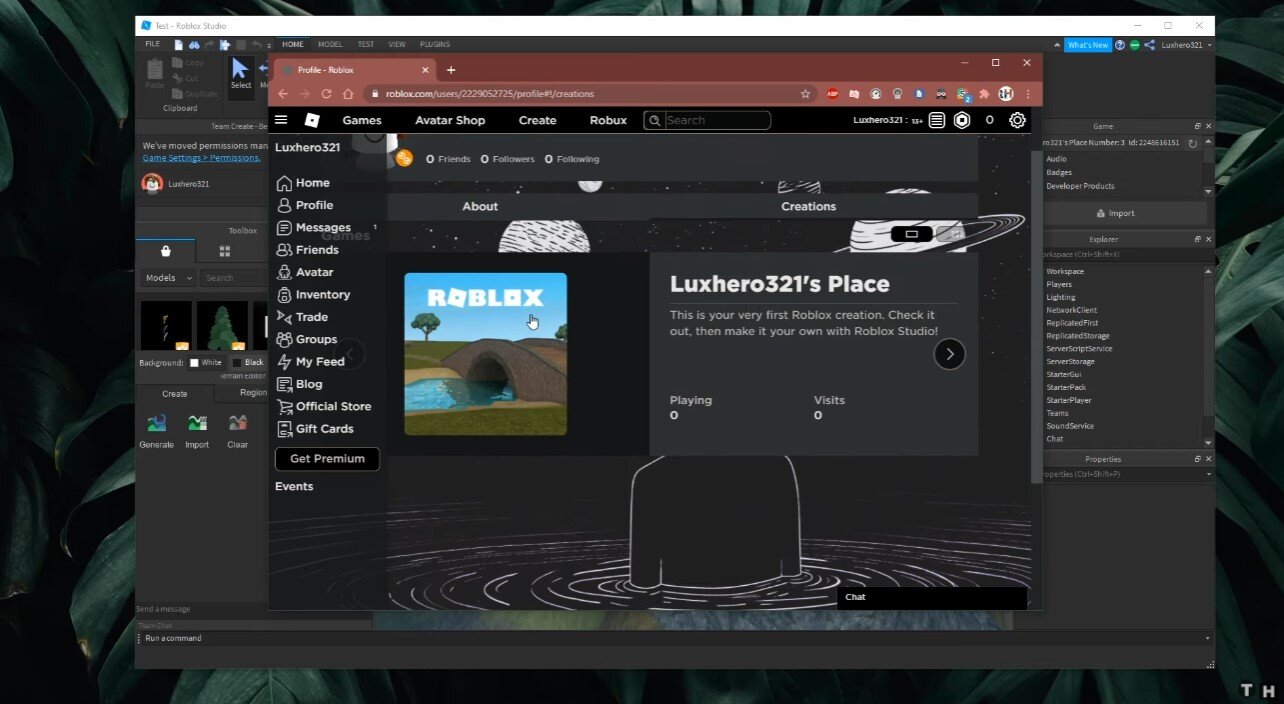
- Q: After publishing, how do I configure my game's settings and permissions on the Roblox website? A: Once published from Studio, head to the Roblox website and navigate to your 'Creations' page. Find your game, click the gear icon, and select 'Configure Experience.' Here, you can fine-tune a multitude of settings. This includes updating the title and description, managing monetization options like Game Passes and Developer Products, setting a game icon and up to ten vibrant thumbnails, and adjusting crucial access permissions. You can also specify supported devices and enable features like VIP servers or game access limits. Taking the time to properly configure these settings significantly enhances your game's visibility and player experience.
- Q: What are 'Game Passes' and 'Developer Products,' and how can I use them for monetization? A: Game Passes are one-time purchases that grant players permanent perks within your game, like a 'VIP Access' pass or a 'Double XP' pass. Developer Products, on the other hand, are consumable items, such as '100 Coins' or a 'Health Potion,' which players can buy multiple times. Both are powerful tools for monetization, allowing you to generate Robux from your game. You create these in Roblox Studio under the 'Monetization' tab of your game settings, then configure their prices and descriptions on the website. Integrating them naturally into your gameplay, offering real value, is key to encouraging player purchases and supporting your continued development efforts.
- Q: How can I promote my newly published Roblox game to get more players? A: Promoting your game effectively is crucial for building a player base. Start by sharing it on social media platforms like X (formerly Twitter), TikTok, and YouTube, using engaging videos and screenshots. Consider running Roblox Ads or Sponsored Games campaigns, targeting specific demographics within the platform. Engage with the Roblox developer community on forums and Discord servers. Encourage current players to invite their friends. Word-of-mouth is incredibly powerful, so creating a genuinely fun and polished experience will naturally lead to organic growth as players recommend your creation to others. Keep the conversation going!
Advanced / Research & Frontier
For developers looking to push their games further and optimize for sustained success, these advanced topics cover deeper insights into analytics, updates, and community management. These strategies help your game thrive long-term.
- Q: What role do analytics play in understanding my game's performance post-publication? A: Analytics are your game's feedback loop, providing invaluable data on player behavior and performance. Roblox offers built-in analytics that track metrics like daily active users, average session time, retention rates, and even conversion rates for your monetization efforts. By regularly reviewing this data, you can identify what's working well and what areas need improvement. For instance, a drop-off in a specific game area might indicate a difficulty spike or a bug. Using analytics intelligently allows you to make data-driven decisions, optimizing your game for better engagement and retention. It's like having a superpower for understanding your players!
- Q: How often should I update my game, and what's the best strategy for rolling out updates? A: Regularly updating your game is absolutely essential for keeping players engaged and attracting new ones. There isn't a strict 'best' frequency, but aim for consistent, meaningful updates every few weeks or months, depending on the scope. A good strategy involves communicating upcoming changes to your community, perhaps through a devlog or social media. When rolling out an update, make sure to thoroughly test it on a private server first to catch any new bugs before pushing it live. Clearly highlight new features and fixes in your game's description or an in-game announcement. This shows players you're actively developing and improving their experience, building loyalty.
- Q: What are A/B testing methods, and how can they be applied to a Roblox game? A: A/B testing is a fantastic method for optimizing various aspects of your game by presenting different versions to different player segments and analyzing the results. For a Roblox game, you could A/B test different game icons, descriptions, thumbnail images, or even small gameplay tweaks. For example, you might show half your new players version A of your game icon and the other half version B, then compare which one leads to more clicks. While Roblox doesn't have a direct A/B testing tool built-in for all elements, you can implement it for in-game features using scripting to segment players and track their behavior. This scientific approach helps you make informed decisions based on real player data, refining your game for maximum impact.
- Q: What are some effective strategies for retaining players and building a loyal community around my game? A: Player retention and community building are cornerstones of long-term game success. Focus on delivering consistent, high-quality content updates that introduce new features, fix bugs, and respond to player feedback. Implement daily rewards, seasonal events, or leaderboards to encourage regular play. Foster a strong community through platforms like Discord, where players can interact, share ideas, and provide direct feedback. Regularly communicate with your player base, celebrate milestones, and even host in-game events. Making players feel heard and valued creates a loyal community that will stick with your game through thick and thin.
- Q: How do I manage player feedback and use it constructively for game improvements? A: Managing player feedback effectively is a crucial skill for any successful developer. Establish clear channels for feedback, such as a Discord server, Roblox group wall, or an in-game suggestion box. Regularly review and categorize the feedback, looking for common themes or recurring issues. Prioritize critical bugs and highly requested features. While it's impossible to implement every suggestion, acknowledge player input and communicate which changes you're working on. This transparency builds trust and makes players feel invested in your game's future. Remember, constructive criticism is a gift that helps your game evolve and get better. Try this tomorrow and let me know how it goes!
Quick Human-Friendly Cheat-Sheet for This Topic
- Test, Test, Test: Seriously, play your game a ton before anyone else does. Bug-free is the way to be!
- Make it Public: Don't forget to flip that 'Private' switch to 'Public' in Studio when you're ready.
- Looks Matter: Craft a killer game icon and description that scream 'play me!' first impressions count.
- Cash In Smartly: Explore Game Passes and Developer Products, but make sure they add value, not just cost.
- Stay Connected: Keep your players happy with updates and by listening to their feedback. Your community is gold!
- Spread the Word: Don't be shy! Share your game everywhere – social media, friends, even family.
- Learn from Data: Check your game's analytics; they tell you what players love (and what they don't).
Thorough game testing is crucial before publishing. Properly configure privacy settings and permissions for your audience. Craft an appealing game icon and description to attract players. Understand monetization options like Game Passes and Developer Products. Continuous updates and community engagement are vital for long-term success.
35


How To Publish A Roblox Game In 2026 YouTube . Roblox How To How To Publish A Game On Roblox YouTube . How To Publish A Roblox Game 2026 Complete Roblox Studio Tutorial . How To Publish Your Roblox Game Using Roblox Studio Guide YouTube . How To Publish Game On Roblox Full Guide YouTube


Roblox Programming Everything You Need To Know Screen Shot 2024 10 17 At 5.41.09 PM . How To Publish A Roblox Game In 3 Steps Publish Roblox Game Step 1 Update 1 . How To Publish Your Roblox Game Web A Short Tutorial On How To Publish . How To Publish A Roblox Game Roblox Studio Tutorial YouTube . How To Publish Your Roblox Game Using Roblox Studio Tutorial YouTube

How To Publish A Roblox Game Full Guide YouTube . How To Publish A Roblox Game In 3 Steps How To Publish Roblox Game Social Banner . Roblox Studio How To Publish Your Game YouTube . Roblox Studio How To Publish Your Game Tech How 2 . How To Publish A Roblox Game In 3 Steps Publish Game To Public Steps 1a


Publish Your Own Roblox Game Today How To Publish A Game On Roblox . How To Make A Roblox Game In 2024 Easy Guide Beebom Publish To Roblox . How To Make A Roblox Game In 2024 Easy Guide Beebom Published Game In Marketplace . How To Publish A Roblox Game 2025 Step By Step Tutorial YouTube . Publish A Roblox Game H Ng D N Chi Ti T T A N Z Cho Nh Ph T Tri N Savepub



How To Publish A Roblox Game In 2025 YouTube . How To Publish A Roblox Game In 2023 Tech How 5 Add Place To Game. How To Make Your Game Public In Roblox Studio YouTube . How To Publish A Game On Roblox TechStory Why Cant I Publish My Roblox Game 768x432 . Make Your Own Roblox Game A Beginners Guide Screen Shot 2022 08 24 At 11.36.11 AM


How To PUBLISH A ROBLOX GAME 2025 YouTube . What Will Roblox Look Like In 2026 Blog Graphics 26 . Get Your Game Seen Roblox Ads Explained Screen Shot 2022 08 24 At 3.16.47 PM . Roblox 2026 Logo REVEALED New Color New Look YouTube Maxres2 . 100 Unofficial Roblox Annual 2026 Australia Y648


How To Publish A Game On Roblox Studio Easily 2 Quick Methods HOW TO PUBLISH A GAME ROBLOX STUDIOOO . How To Publish Your Roblox Game In Roblox Studio Post A Roblox Game . How To Publish Your Roblox Studio Game YouTube . How To Publish A Game On Roblox And Follow Your Game Dev Dreams The Roblox Game Publish . How To Publish Your Roblox Studio Game 2022 Make Roblox Game Public